Healthy Soch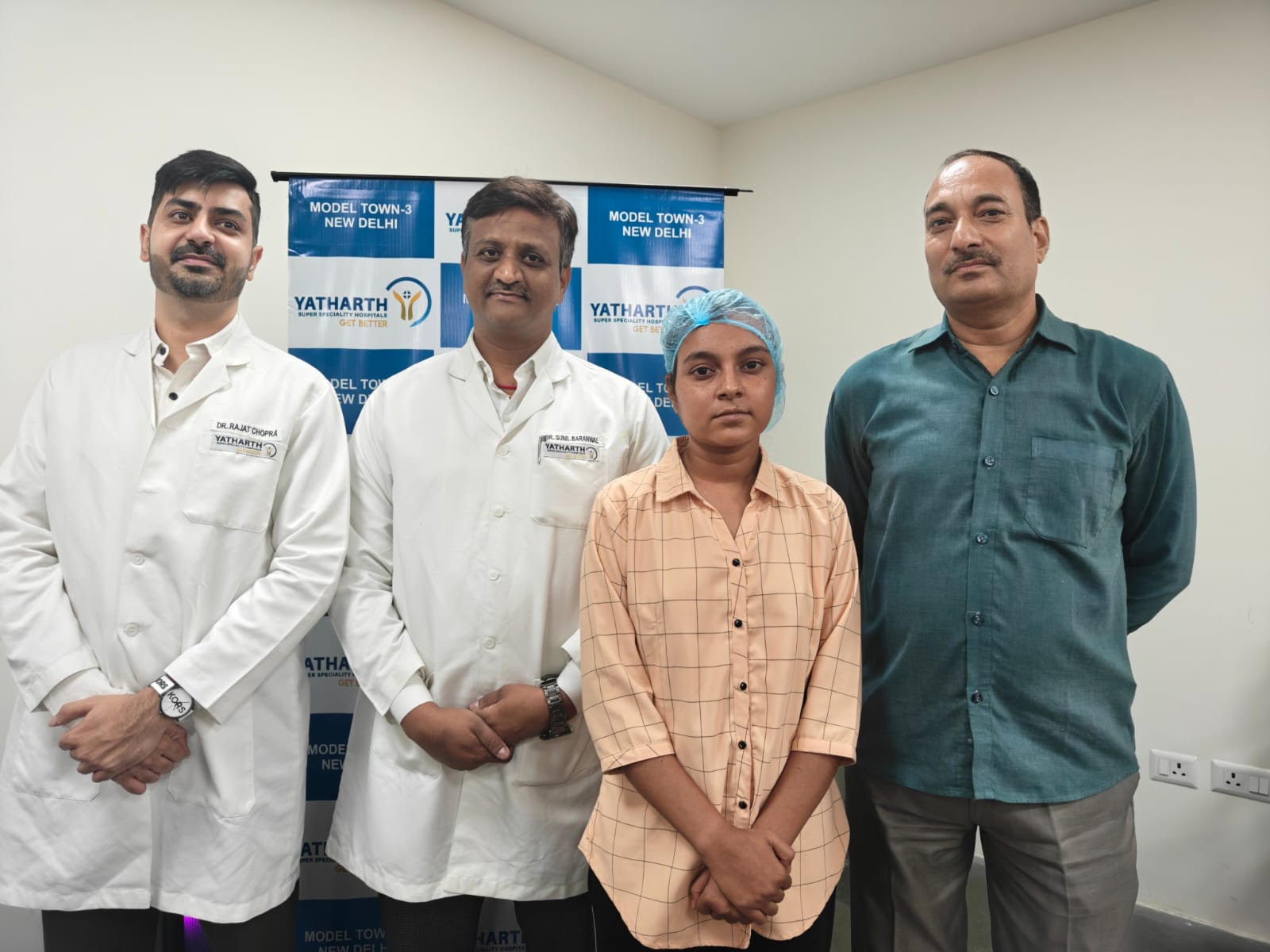
Experts emphasize early diagnosis and timely treatment for better neurological outcomes
Successful management of complex stroke, brain haemorrhage and neurosurgical cases showcased
India
healthysoch
New Delhi, July 20, 2026:
On the occasion of World Brain Day, Yatharth Super Speciality Hospital, Model Town, organized a press conference highlighting inspiring patient recovery stories, recent advancements in neurological care, and the importance of timely diagnosis in treating complex brain disorders. The conference was addressed by Dr. Sunil Kumar Baranwal, Director & HOD – Neurosurgery, and Dr. Rajat Chopra, Senior Consultant & HOD – Neurology, who shared several challenging cases that were successfully managed through multidisciplinary expertise and advanced neurocritical care.
Addressing the gathering, Dr. Sunil Kumar Baranwal highlighted the importance of advanced neurosurgical interventions in saving lives during severe brain emergencies. He said, “Many life-threatening neurological conditions, including brain haemorrhage and traumatic brain injuries, require immediate surgical intervention. With modern neurosurgical techniques, advanced neuroimaging and dedicated intensive care support, even patients with extremely critical conditions can achieve meaningful recovery. Early referral to specialized centres significantly improves survival and long-term neurological outcomes,” he said.
Dr. Baranwal said, “22 year old with drug resistant tuberculosis presented to emergency with a Large brain lesion about the size of a cricket ball in a comatose state after having being rejected treatment by two major hospitals in view of complexity of surgery was successfully operated at Yatharth Hospital Model Town where she was discharged after successful craiotomy and complete excision of the tumour with the patient having complete recovery neurologically in a week after the initial presentation.”
He also presented the case of a 40-year-old man who was admitted with a massive intracerebral haemorrhage (ICH) causing significant midline shift and brain compression. Considering the rapidly deteriorating neurological status, the patient underwent an emergency right frontotemporoparietal decompressive craniotomy with duraplasty. Following intensive postoperative neurocritical care, ventilatory support and continuous monitoring, the patient showed gradual recovery under the hospital’s multidisciplinary team.
76-year-old patient who was admitted with a complex postoperative brain condition. MRI revealed both acute and late subacute subdural haemorrhage with postoperative changes following previous brain surgery. The patient received intensive ICU care, advanced neuroimaging, antiepileptic therapy, steroids and supportive treatment. Careful monitoring and timely medical management helped stabilize the patient’s neurological condition without the need for immediate repeat surgery.
Speaking at the event, Dr. Rajat Chopra emphasized that prompt medical intervention plays a crucial role in reducing disability associated with stroke and other neurological emergencies. “Stroke is a medical emergency where every minute matters. Patients reaching a specialized stroke centre within the golden period have significantly better chances of recovery. However, treatment decisions are always individualized based on brain imaging and the patient’s overall condition. At Yatharth Hospital, our integrated stroke team, advanced MRI imaging, neurocritical care, physiotherapy, speech therapy and multidisciplinary approach help us deliver the best possible outcomes even in highly complex cases,” he said.
Dr. Chopra shared the case of a 43-year-old woman who was admitted within 4½ hours of stroke onset. MRI revealed multiple acute infarcts involving the left frontoparietal and gangliocapsular regions, with additional tiny infarcts in the right cerebral hemisphere. Although she arrived within the treatment window, imaging findings indicated an increased risk of bleeding, making thrombolytic therapy unsuitable. The patient was managed with evidence-based medical treatment, oxygen support, antiplatelet therapy, neuroprotective medications, infection control, blood transfusions for severe anaemia, cardiac evaluation, physiotherapy and speech rehabilitation. With comprehensive multidisciplinary care, she gradually regained functional mobility and was discharged in a stable condition.
He also discussed the successful management of a 62-year-old woman referred from another hospital in a critical condition with drowsiness, generalized weakness, hypoglycaemia, sepsis and low oxygen levels. She had also been diagnosed with bilateral frontal and temporal stroke along with underlying interstitial lung disease.
Through coordinated neurological, critical care and physician-led management, the patient was stabilized and treated successfully.
The specialists concluded that increasing public awareness about stroke warning signs, severe headaches, sudden weakness, speech difficulty, altered consciousness and timely access to specialized neurological care can significantly reduce mortality and disability. They urged people not to ignore neurological symptoms and to seek immediate medical attention, as early diagnosis remains the key to saving both lives and brain function.