Healthy Soch
India
healthysoch
Chandigarh, November 28, 2026:
 ASSOCHAM Northern Region in collaboration with CSDM and Chandigarh Administration under Ramp initiative successfully organised the Education & Skilling Conclave 2026 on the theme “Viksit Bharat @2047: Advancing Education, Research and AI for a Future-Ready Workforce.” The conclave brought together policymakers, industry leaders, MSMEs, educationists and other stakeholders to deliberate on the changing education landscape, the growing role of Artificial Intelligence and the need to align education and skill development with emerging industry requirements.
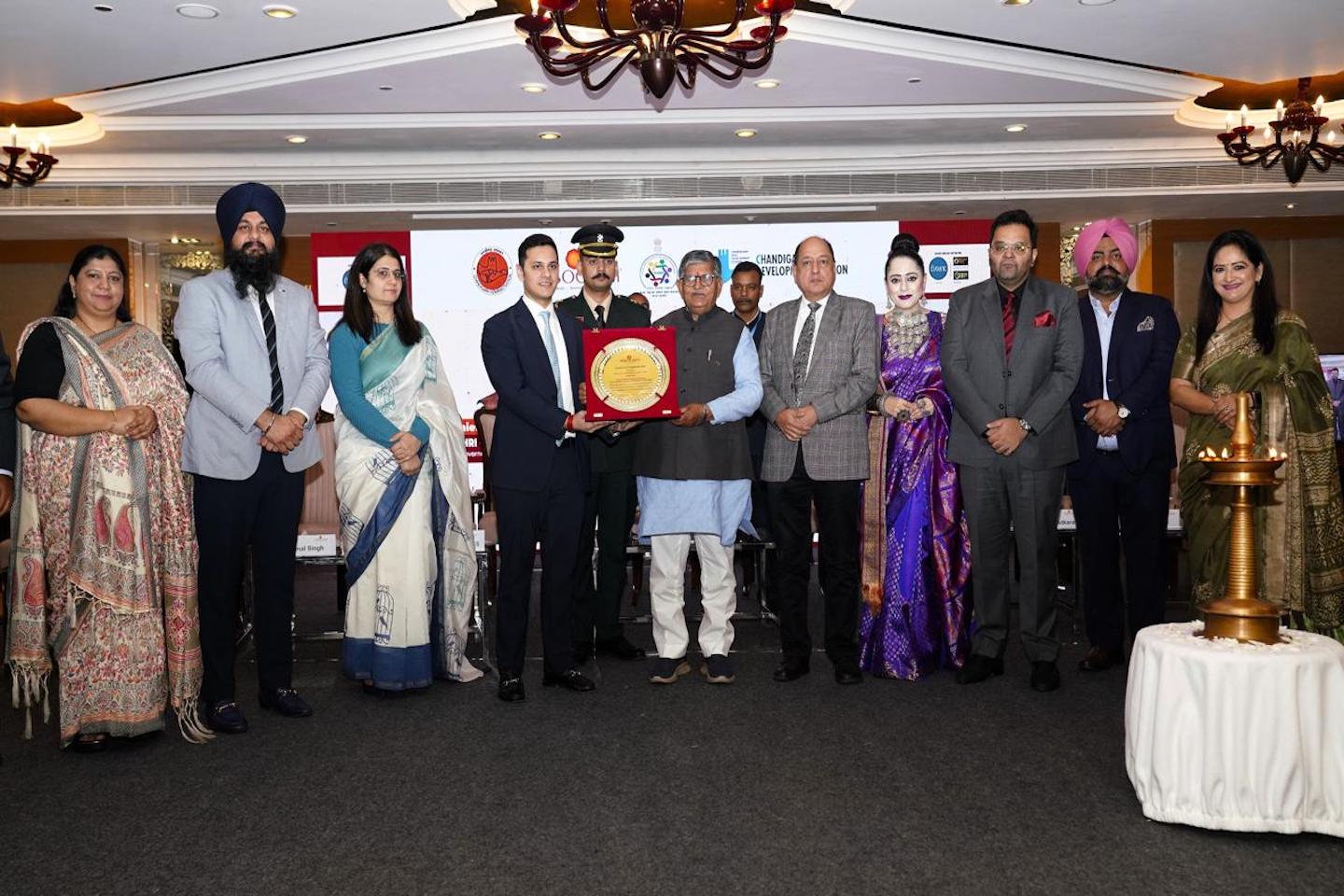
The inaugural session was graced by Gulab Chand Kataria, Hon’ble Governor of Punjab and Administrator, UT Chandigarh, as the Chief Guest. Dr. Palika Arora, PCS, Director, Higher Education, UT Chandigarh, delivered the special address.
In his address, Gulab Chand Kataria highlighted the importance of education and skill development in building a progressive and self-reliant India. He emphasised the need to prepare young people with relevant knowledge, practical skills and the ability to adapt to changing opportunities. He also underscored the importance of collaboration among government, educational institutions and industry in strengthening the country’s human resource potential.
He stressed the importance of focusing on women’s empowerment and developing a skilled workforce across sectors, including agriculture, to promote self-reliant farmers and strengthen the rural economy.
Further, he underscored the growing opportunities in the medical sector and medical tourism. He appreciated ASSOCHAM’s support and contribution towards the Chandigarh Startup Policy, acknowledging the importance of industry associations in advancing entrepreneurship and economic development.
Dr. Palika Arora, PCS, highlighted Chandigarh’s efforts towards strengthening higher education, promoting digital competencies and encouraging greater industry participation in academic and skill development initiatives. She also emphasised the importance of integrating AI and technology into education while ensuring that learning remains inclusive and focused on the overall development of students.
Bir Kamal Singh, Chairman, ASSOCHAM Skill Committee, Punjab and Chairman, World Skill Organisation, delivered the welcome address, highlighting the importance of bringing together stakeholders from education, industry and government to deliberate on the evolving needs of the workforce.
Representing the education sector, Dr. Niyati Chitkara, Chairperson, ASSOCHAM School Education Committee Chandigarh and Vice President, Chitkara International Schools, highlighted the importance of building strong learning foundations from the school level. She emphasised the need to encourage critical thinking, creativity, digital literacy and practical learning so that students are better prepared for higher education and future careers.
Dr. Aarushi Jain, Director, Bharti Institute of Public Policy, Indian School of Business (ISB), shared the policy perspective, highlighting the importance of an enabling policy environment that supports innovation, research, entrepreneurship and stronger collaboration between educational institutions and industry.
Abhi Bansal, Chairman, ASSOCHAM Punjab State Development Council, Rakesh Bhalla, Chairman, ASSOCHAM Chandigarh UT Development Council, Manik Batra, Chairman, ASSOCHAM J&K UT Development Council, Iqbal Cheema, Co-Chairman ASSOCHAM Punjab State Development Council, Bharti Sood, Sr. Regional Director & Head-North, ASSOCHAM were also present during the inaugural session.
The conclave also featured discussions on the role of Artificial Intelligence in teaching and learning, digital education infrastructure, faculty capacity building, industry-linked education, green skills, financial literacy and entrepreneurship. Participants emphasised that education must extend beyond theoretical knowledge and provide students with opportunities for hands-on learning, industry exposure and the development of skills relevant to the future workplace. It was also discussed that MSMEs need to adopt and strengthen key competencies in areas such as smart manufacturing, digital marketing, e-commerce, and digital transformation to enhance their competitiveness, drive business growth, and remain aligned with evolving market demands.
The discussions highlighted the need for a collaborative approach involving government, academia, industry and skill development organisations to strengthen India’s education and skilling ecosystem. The conclave provided a platform for stakeholders to exchange ideas, identify areas of collaboration and explore practical ways to prepare a future-ready workforce in line with the vision of Viksit Bharat @2047.
Through this initiative, ASSOCHAM reaffirmed its commitment to facilitating meaningful dialogue and partnerships between industry, government and educational institutions to support India’s journey towards a knowledge-driven and skill-based economy.