Healthy Soch

India
healthysoch
New Delhi , October 23, 2026:
In a life-threatening case of traumatic brain injury, doctors at Manipal Hospitals Dwarka successfully treated a 27-year-old man who sustained severe head trauma in a road accident. The patient suffered multiple intracranial bleeds (bleeding inside the skull), extensive brain swelling and a shift in the brain’s midline, requiring emergency surgery.
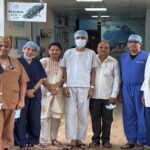
The neurosurgery team, led by Dr. Anurag Saxena, Cluster Head – Delhi NCR, Neurosurgery & Consultant – Spine Surgery, Manipal Hospital Dwarka, performed the surgery to remove the blood clots and relieve the pressure on the brain. With injuries affecting both sides of the brain, the case was time sensitive requiring surgical intervention on both sides to remove the clots. To manage the severe swelling, a portion of his skull was temporarily removed to give the brain more room to expand and prevent further damage. Following intensive care and a prolonged recovery, he underwent a second procedure to reconstruct the skull using his own bone flap, which had been removed during the initial life-saving surgery.
The patient was brought to the hospital with severe head injuries, including bleeding in different parts of the brain, significant brain swelling and a skull fracture. He had also sustained injuries to his ribs and shoulder. The swelling increased pressure inside the skull, putting him at serious risk of further brain damage and making emergency surgery necessary.
Speaking about the case, Dr. Anurag Saxena, Cluster Head – Delhi NCR, Neurosurgery & Consultant – Spine Surgery, Manipal Hospital Dwarka, said, “The brain is enclosed within the skull, which has very little room to accommodate swelling. Imagine a pressure cooker: when pressure builds up inside, it needs a way to release it. Similarly, when the brain swells after a severe injury, the pressure inside the skull can rise dangerously, threatening the brain’s blood supply and vital functions. In this case, we performed a surgery to remove the blood clots and temporarily removed a portion of the skull to give the swollen brain room to expand. Once the patient’s condition improved, we placed the same flap of bone back to reconstruct his skull and restore its protective covering. With his family’s continued support and trust in the medical team, the patient showed steady improvement and was discharged in a stable condition.”
Mr. Gurkirat Singh, Hospital Director, Manipal Hospital Dwarka, said, “The Golden Hour following a serious accident can be critical, as early medical assessment and appropriate intervention may help prevent further complications and improve the chances of recovery. At Manipal Hospitals, we combine advanced medical technology with the expertise of our clinical teams to manage complex and critical cases, ensuring patients receive comprehensive care when they need it most.”
The case highlights the importance of timely medical intervention following a serious road accident. According to Delhi Traffic Police data, 577 people lost their lives in road accidents in Delhi between January and May 2025, highlighting the urgent need for effective emergency response and access to specialised trauma care. In cases involving severe head injuries, recognising the signs of a serious injury and reaching hospital without delay play an important role in managing life-threatening complications and improving patient outcomes.