admin
admin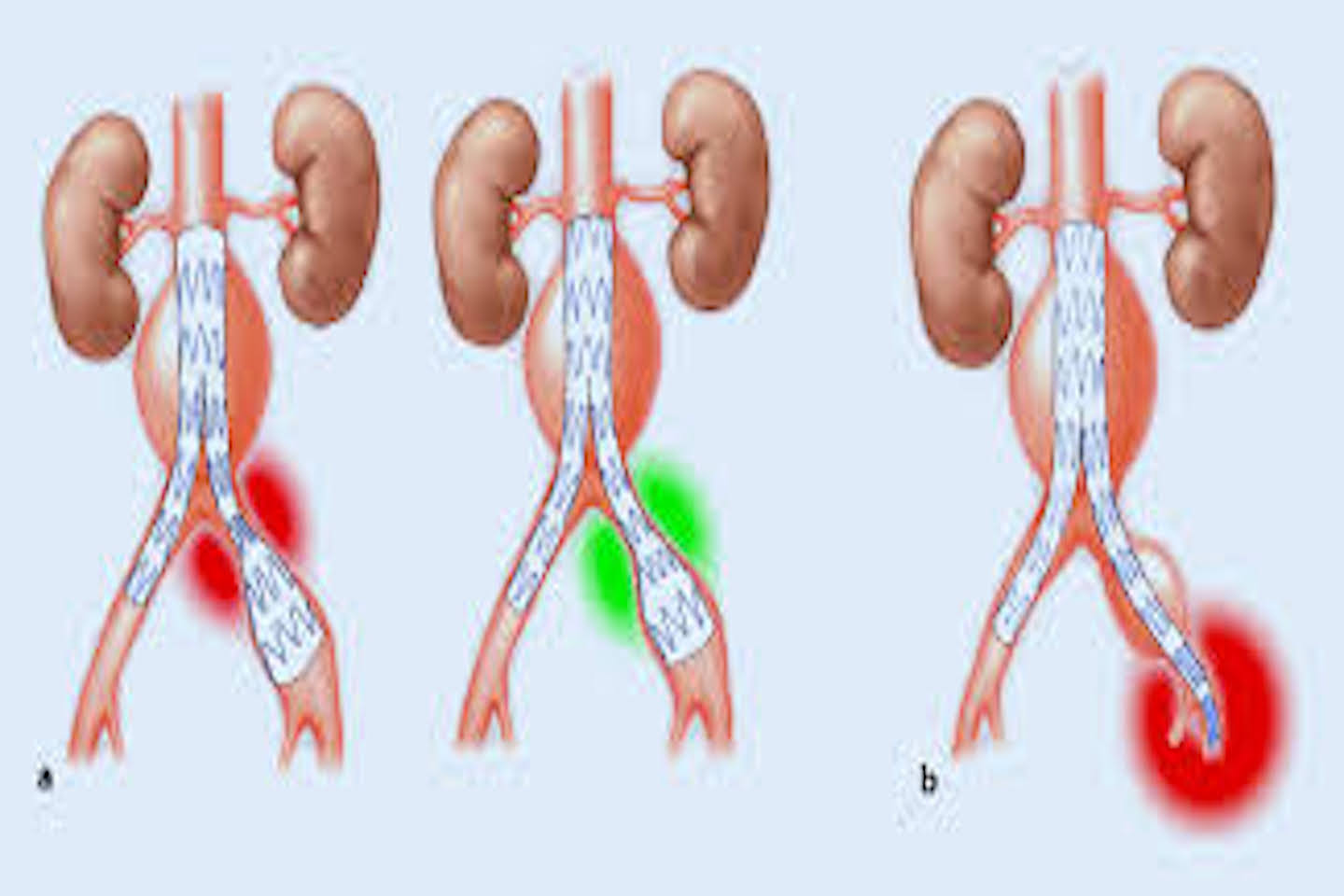
India
healthysoch
Bengaluru/New Delhi, September 08, 2025 :
Aster RV Hospital has successfully performed a complete endovascular reconstruction of the aortic bifurcation in a 78-year-old man suffering from ischemic heart disease, diabetes, hypertension, and severe disabling bilateral claudication. The patient could walk only 20–30 steps at a time, and evaluation revealed total occlusion of the infrarenal aorta and bilateral common iliac arteries. Pedal pulses were absent. Given his multiple comorbidities, traditional open surgery was deemed extremely high risk.
Utilizing advanced endovascular techniques, the hospital’s vascular team performed a Covered Endovascular Reconstruction of the Aortic Bifurcation (CERAB).
This approach restored circulation to both lower limbs without subjecting the patient to the greater risks of open surgery. Post-procedure, the patient showed significant improvement in walking distance and lower limb function and was able to begin rehabilitation activities.
Dr. Krishna Chaitanya Lead Consultant – Vascular and Endovascular Surgery, said “Endovascular methods such as CERAB are helping frail and elderly patients avoid the complications of high-risk open surgical procedures. Early diagnosis and timely referral are crucial in preventing severe limb ischemia that can lead to permanent disability. Patients over 50 presenting with leg fatigue, cramps, or difficulty walking should be screened for peripheral arterial disease using tools such as the Ankle Brachial Index (ABI), arterial duplex ultrasonography, and CT or MR angiography. Regular assessment of peripheral pulses in at-risk populations is essential to detect disease early.”
Red flag symptoms include sudden drops in walking distance, non-healing wounds or ulcers in
the lower limbs, rest pain in feet or toes, and absent femoral or pedal pulses. Any patient with disabling claudication, rest pain, non-healing wounds, or absent pulses should be promptly referred to a vascular surgeon for evaluation and possible intervention.
Dr. A Arun Kumar, Consultant – Vascular and Endovascular Surgery said, “Following the endovascular procedure, this patient has been placed on dual antiplatelet and statin therapy, with routine imaging surveillance at one, three, six, and twelve months. Lifestyle modifications encouraged include smoking cessation, regular walking exercises, and avoidance of red meat to support long-term vascular health. Timely clinical evaluation and detection of peripheral arterial disease with the appropriate screening tools can help prevent major morbidity and mortality. A limb saved is a life saved.”