Healthy Soch
- Lancet Study published on Healthcare Priorities for India’s Union Budget 2026–27
- Insights from new 2026 research published in The Lancet
India
healthysoch
New Delhi, January 27, 2026:
A new academic Comment titled “A pathway to implementing universal health care in India” by Karthik Muralidharan published in The Lancet on 24 January 2026.
The paper examines India’s progress towards universal health coverage and highlights structural weaknesses in the health system, particularly:
- Fragmented governance
- Poor coordination across levels of care
- Health services organised around institutions rather than citizens
- Persistent gaps in quality, equity, and continuity of care
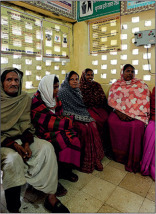 The core governance challenge in India’s public healthcare system is weak incentives and accountability, reflected in high and unpredictable rates of health-worker absence (especially in rural areas) and low effort even when staff are present.Under the current structure, it can be rational even for intrinsically motivated public sector providers to limit effort, as delivering better care simply attracts more patients without increasing their pay or resources.
These circumstances also encourage many public sector doctors to maintain private practices, offer only basic care in public clinics, and exert more effort in their private practices where compensation reflects effort.Together, these factors help explain why many patients, including low-income populations, seek private sector outpatient care despite the higher out-of-pocket costs.
According to Ms. Shobana Kamineni, Promoter Director, Apollo Hospitals Enterprise Ltd, Executive Chairperson, Apollo HealthCo “A Viksit Bharat will be built on a healthy youth and workforce—nearly one billion strong by 2047. A prevention-first healthcare system, powered by mandatory check-ups, digitised records, and UPI-style data portability, can unlock early risk detection, personalised care, and long-term productivity at scale. As India led the world in digital payments, preventive healthcare can be our next global export.”
According to Dr Vinay Aggarwal, past National President, Indian Medical Association :
- We advocate tax-funded Universal Health Care with a basic health package for all citizens and to
Increase public health allocation to 2.5-5% of GDP, strengthening government hospitals and human resources.” - Give should reform PMJAY to include outpatient care, realistic package rates, DBT, copayments and timely reimbursements.
- We would request Finance Minister to provide GST exemption on lifesaving equipment, consumables and all vaccines”.
What the Lancet Paper Concludes
According to the publication, India’s path to universal health care requires:
1. Moving beyond fragmented governance
The paper notes that multiple programmes operating in silos weaken accountability and service continuity.
2. Reorienting the system towards citizens
Healthcare delivery remains facility-centred rather than focused on patient journeys and long-term care needs.
3. Improving coordination across levels of care
Weak referral systems and poor integration between primary, secondary and tertiary services limit efficiency and outcomes.
4. Strengthening implementation capacity
The study stresses that policy intent alone is insufficient without institutional capacity to execute reforms.
Policy Interpretation for Union Budget 2026–27
(Derived from the paper’s conclusions and broader health-systems evidence)
Based on these findings, health policy experts indicate that Budget 2026–27 should prioritise measurable, implementable reforms, including:
1. Governance & integration
Fund structures that align national and state programmes and reduce administrative fragmentation.
2. Primary care reinforcement
Expand public financing for routine outpatient and preventive care to reduce dependence on hospital-centric spending.
3. Patient-centred financing
Gradually link a portion of public health funding to care quality and health outcomes, not only service volumes.
4. Implementation capacity
Invest in health data platforms, managerial training, and decentralised planning units to translate policy into delivery.
Why This Matters Now
While earlier coverage of The Lancet Commission has highlighted broad reform goals, this January 2026 paper is significant for its focus on system design and implementation pathways
It reinforces that India’s next phase of health reform must move from intent to execution — and that future budgets should support institutional reform, coordination mechanisms, and delivery capacity, not only higher allocations