Healthy Soch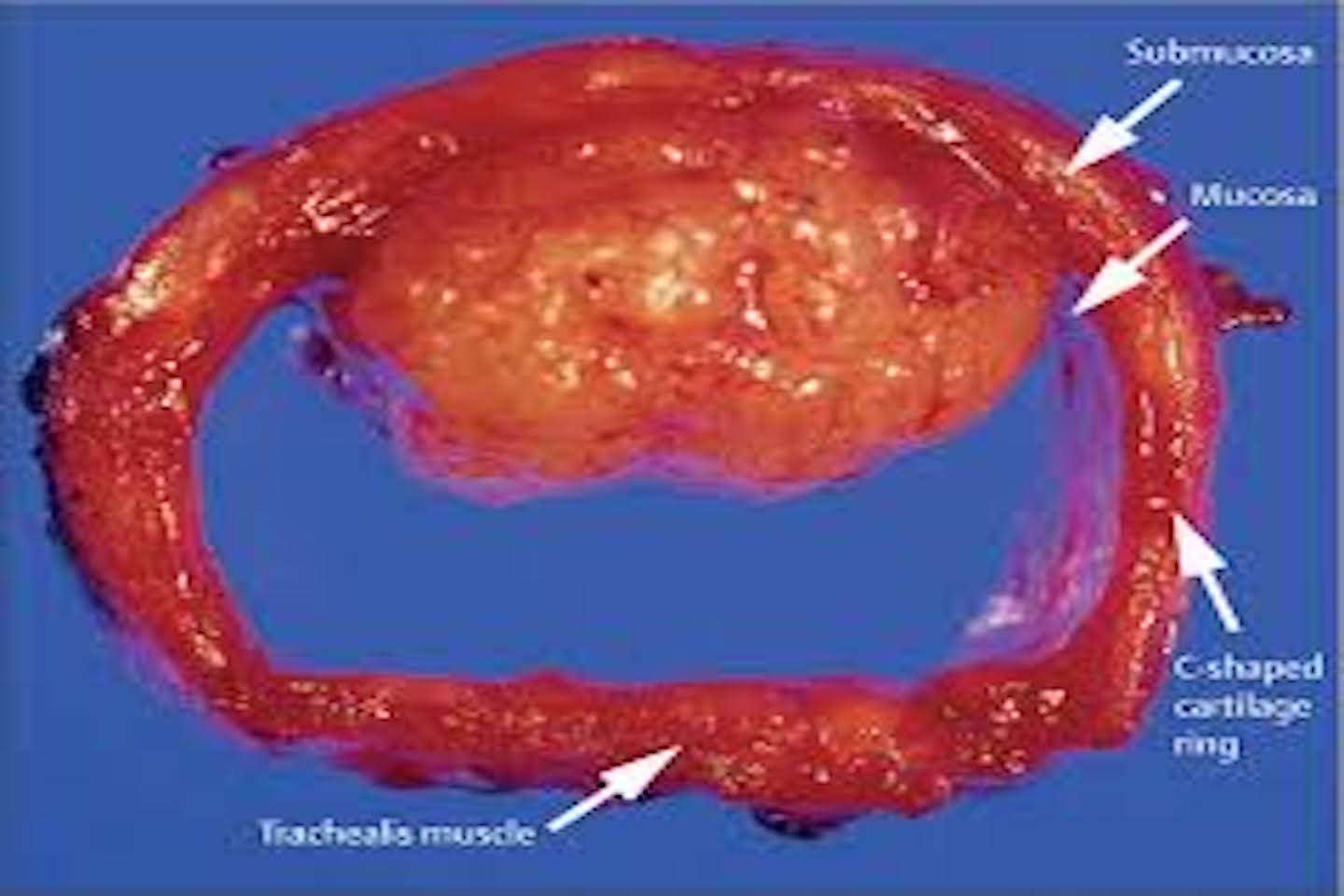
- 59-Year-Old Woman Recovers from Rare Tracheal Malignancy at TGH Onco Life
- Primary tracheal malignancies are extremely rare, accounting for <0.1% of all cancers, with an incidence of 2–3 cases per million per year
India
healthysoch
Talegaon/Chandigarh, March 11, 2026:
A 59-year-old hypertensive woman from Pune has regained normal breathing after battling a rare tracheal tumor. Struggling with progressive shortness of breath and stridor (noisy breathing), she received timely care at TGH Onco Life Cancer Centre, Talegaon Dabhade. Under the expert hands of Dr. Utkarsh R. Ajgaonkar, Dr. Vivek Bande, Dr. Ashish Bawiskar, Dr. Madhura, and Dr. Vishvas Koul, thoracoscopic-assisted tracheal resection restored her airway and quality of life, showcasing the impact of advanced minimally invasive surgery for rare airway cancers.
Patient Alka Deshmukh, a homemaker and resident of Talegaon, Pune, had been experiencing progressively worsening breathing difficulties for nearly a month. She initially consulted a chest physician, who advised a CT scan of the chest. The scan revealed a tumor in the trachea that was causing significant narrowing of the airway. Considering the seriousness of the condition, she was referred to TGH Onco Life Cancer Centre for further management.
When she presented at the OPD, the patient had severe breathing difficulty along with stridor and was immediately admitted for urgent care. CT chest scans confirmed the presence of a tracheal tumor. To relieve the airway obstruction, a bronchoscopy-guided debulking procedure was performed, which provided temporary relief in breathing. Histopathology later revealed that the tumor was a poorly differentiated primary tracheal malignancy.
Further evaluation with FDG PET/CT showed that the disease was localized and had not spread to distant parts of the body. This made the patient eligible for curative surgery, which involved complete removal of the tumor-affected segment of the trachea followed by reconstruction to restore the airway tract.
Dr. Utkarsh R. Ajgaonkar, Consultant Surgical Oncologist, said, Patient presented in my OPD with progressively worsening breathing (stridor) and was immediately admitted and kept on oxygen support.’ Primary tracheal tumors are exceptionally rare, and performing a thoracoscopic-assisted resection requires meticulous planning. Primary tracheal malignancies are extremely rare, accounting for <0.1% of all cancers, with an incidence of 2–3 cases per million per year. Causes of this cancer can be smoking, air pollution, occupational exposure to toxins, chronic inflammatory conditions like tracheitis, genetic, or idiopathic in many patients. If not diagnosed and treated early, these patients can end up with progressive breathing difficulty and asphyxiation, recurrent lower respiratory tract infections, bleeding from the tumor, local invasion in surrounding organs and vessels, and metastasis to distant organs. The goal was to remove the tumor completely while minimizing surgical trauma and preserving airway function.
Dr. Utkarsh R. Ajgaonkar further added, “The patient underwent a thoracoscopic-assisted tracheal resection along with paratracheal lymph node dissection, i.e., removal of the affected segment of the trachea and joining of the two ends with removal of draining lymph nodes. This was a very challenging case because we had to remove nearly 4 to 4.5 cm of the affected part of the trachea. After removing the diseased segment, we carefully joined the upper and lower ends of the trachea immediately to restore the airway. At the same time, we also removed the nearby paratracheal lymph nodes to ensure complete clearance of the disease. The technically demanding procedure was performed using minimally invasive techniques, ensuring precise tumor removal while reducing postoperative pain and complications. Anaesthetic management was critical for a safe surgery, and the patient was extubated on the first postoperative day. The uneventful procedure lasted for approximately 5–5.5 hours. Follow-up bronchoscopy on day six confirmed a healthy airway anastomosis, and the patient was discharged on day eight with stable recovery. As a precaution, the patient was advised to avoid neck movements for three weeks post-operatively.”
“I was struggling to breathe, and every step felt like a fight. The team at TGH Onco Life not only treated my tumor but also gave me my life back. Breathing freely again feels like a miracle, and I am deeply grateful to the doctors who made this possible,” said the patient, Alka Deshmukh.