admin
admin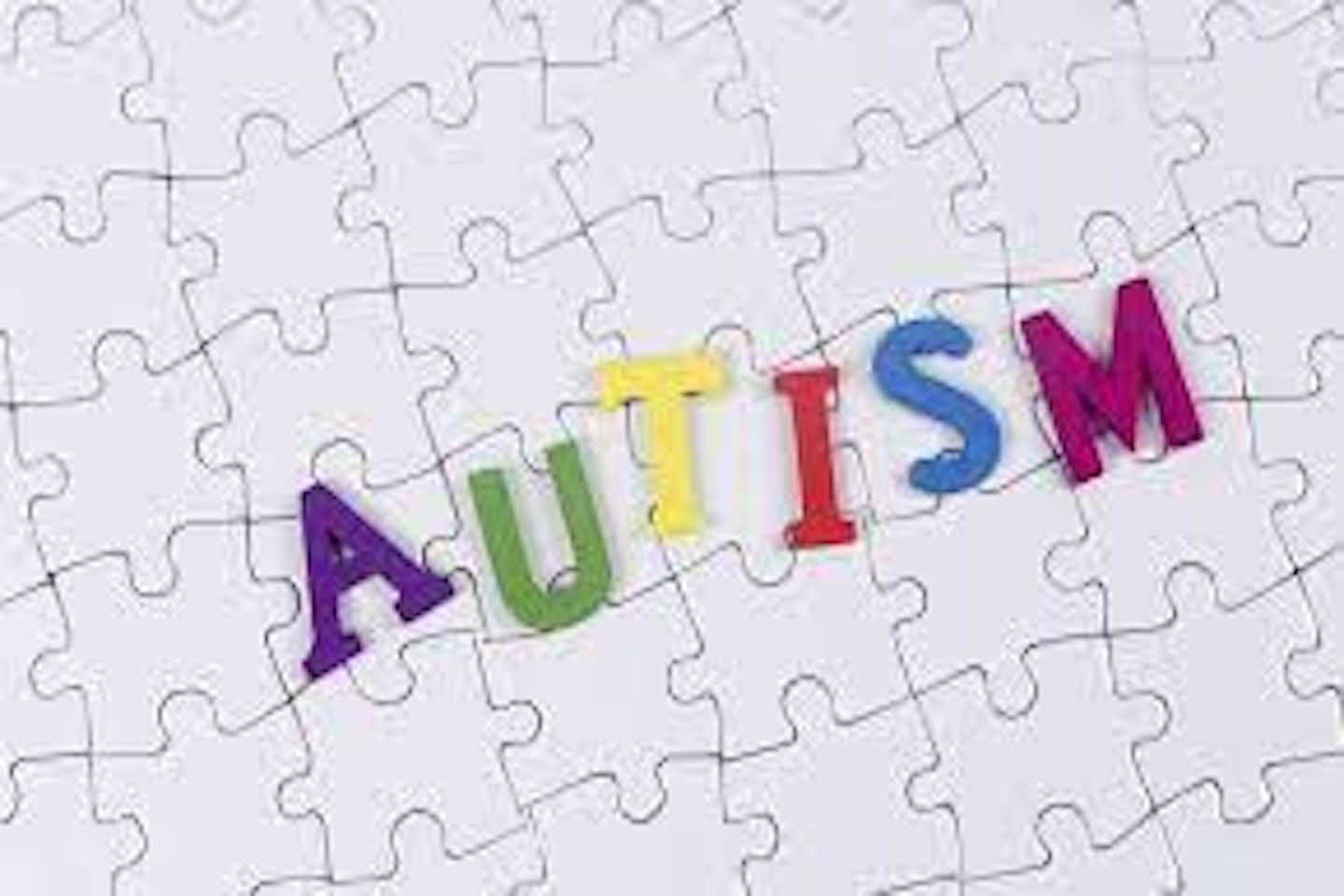
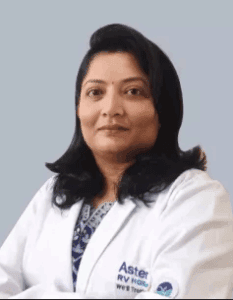
Author: Dr. Sindhu M.V., Consultant – Paediatrics, Paediatric Intensive Care, Aster RV Hospital
India
healthysoch
Chandigarh, July 5, 2025:
 Autism affects 1 in 100 children in India. The Indian Academy of Paediatrics estimates that
Approximately 3% of India’s population is on the autism spectrum. But myths, stigma, and lack of
Awareness continues to cloud public understanding. It’s time to change that. Every child is unique —
but some experience and respond to the world differently. Autism Spectrum Disorder (ASD) is one
such a condition that influences how a person thinks, communicates, and relates to others.
What is autism? Why Is It Called a Spectrum?
Autism is not a disease; it is a neurodevelopmental condition. The brain of an individual with autism
develops differently, affecting social interaction, communication, behavior, and how they perceive
the world. The term “spectrum” is used because no two people with autism are the same. Some may
face significant challenges in speaking or socializing, while others may live independently and excel
in specific areas. Understanding autism is just the first step, but how can parents, teachers, or
Carers know if a child might be on the spectrum. It all begins with noticing the early signs.
Early Signs & Diagnosis Early detection is key. Parents and carers should watch for signs, typically. emerging between 12 to 24 months.
Common early signs include:
- Delayed speech or language development
- Limited eye contact
- Lack of interest in social interaction
- Repetitive behaviour (like hand-flapping and spinning)
- Sensitivity to sounds, lights, or textures.
If you notice these signs in your child, don’t panic. It doesn’t mean something is ‘wrong’ — it simply
means your child may need extra support. The next step is to consult a developmental specialist or child psychologist who can assess your child’s behaviour and guide you further. There are no blood tests or brain scans to confirm autism.
Specialists use tools like the Autism Diagnostic Observation Schedule (ADOS) or the Childhood
Autism Rating Scale (CARS) for diagnosis. Causes & Debunking Myths. The question many parents
ask is — why ? Science does not point to a single cause.
Research indicates that autism results from a combination of genetic and environmental factors.
Family history, certain gene mutations, advanced parental age, or complications during pregnancy
may increase risk. Recent research has shown that the “amygdala” — the part of the brain involved
In processing emotions, it develops differently in autistic children. This may partly explain why they
struggle with social cues or emotional connections. However, scientists caution that the amygdala is
just one piece of a much larger puzzle.
Autism is not caused by one single brain difference. It involves multiple areas and complex neural
networks. Understanding autism helps shift the conversation from “what’s wrong” to “how can we
better support and understand.”
Debunking Common Myths:
- Vaccines don’t cause autism. Many studies have proven this is false
- Parenting isn’t to blame. Autism isn’t caused by neglect or lack of love.
- Autism isn’t a disease or contagious. It can’t be “cured”, but the right support can help.