Healthy Soch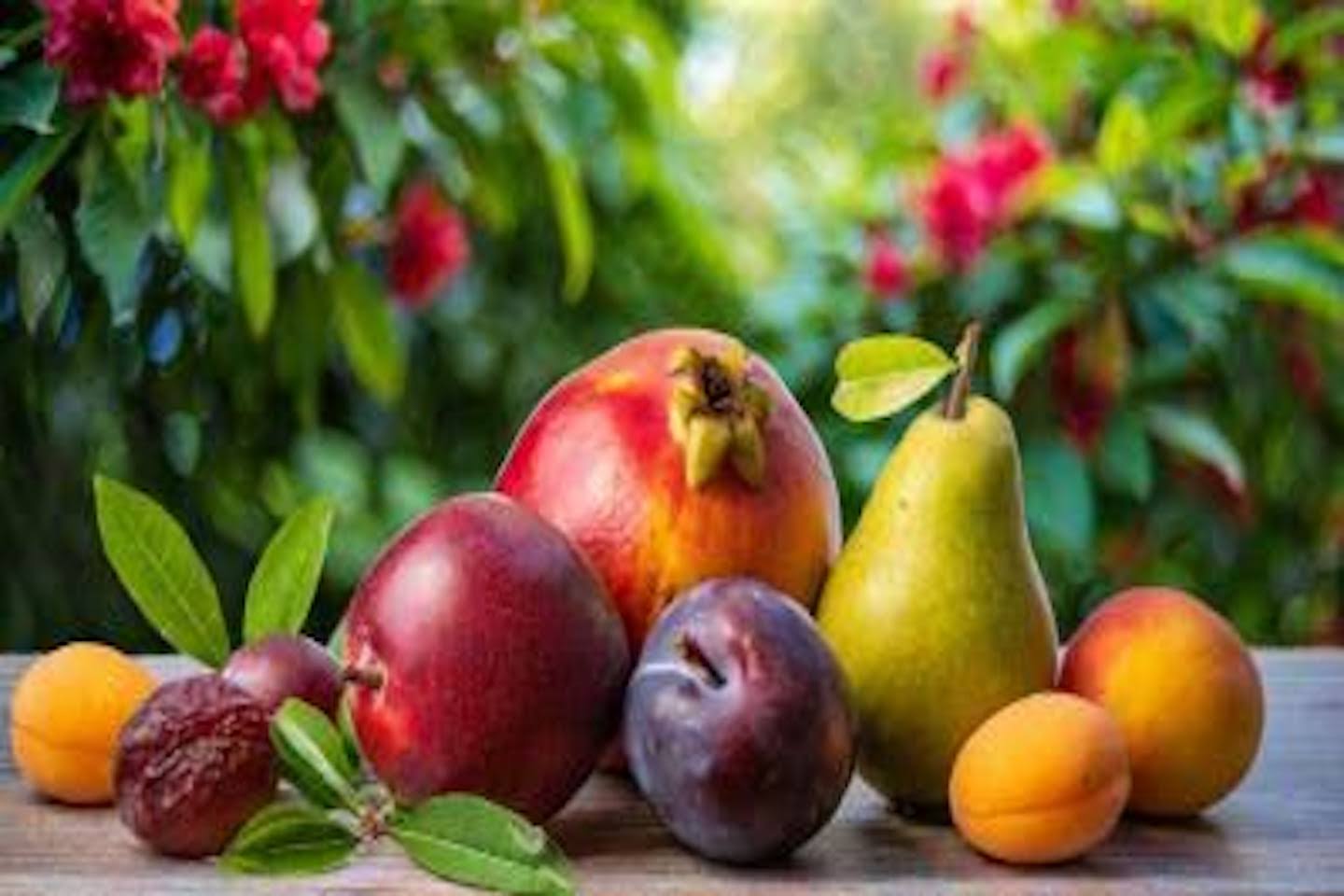
A dietitian shares what should be on your plate
Author: Veena V, Chief Clinical Dietician & HOD – Department of Clinical Nutrition and Dietetics, Aster Whitefield Hospital
India
healthysoch
Chandigarh, July 24, 2026:
 The arrival of the monsoon brings relief from the scorching summer heat, and a fresh bounty of
seasonal fruits. But while this is one of the best times to load up on nature’s goodness, it’s also a
season when foodborne infections become more common, making it important to choose, wash and
consume fruits carefully.
According to Veena V, Chief Clinical Dietician and Head of the Department of Clinical Nutrition
and Dietetics at Aster Whitefield Hospital, monsoon fruits offer a wealth of nutrients that can
strengthen immunity, improve digestion and support overall health.
“Monsoon is the perfect time to enjoy seasonal fruits, but choosing them wisely is important
because the risk of foodborne infections also increases during this season,” she says. Here’s a look at some of the best fruits to include in your diet this rainy season. One of the most awaited fruits of the season, jamun is packed with antioxidants known as polyphenols, which help combat oxidative stress in the body.
It is also rich in fibre and vitamin C, making it a great addition to a balanced monsoon diet. Thanks to
its relatively low glycaemic index, jamun is also a popular choice among people looking to better
manage their blood sugar levels, although portion control remains important.
Pomegranate: An immunity booster
Bright, juicy and nutrient-dense, pomegranate is loaded with vitamin C and powerful antioxidants
that help support the immune system. Its antioxidant compounds also help protect cells from damage caused by free radicals, making it an excellent fruit to include when seasonal infections are on the rise.
Papaya: Your digestive ally
Ripe papaya is particularly beneficial during the monsoon because it contains papain, a natural digestive enzyme that helps break down proteins. “This can support gut health, especially during the monsoon when gastrointestinal problems become
more common,” explains Veena. Papaya is also rich in vitamin A, vitamin C and dietary fibre, making it a wholesome fruit for overall wellbeing.
Pears, plums and peaches
Seasonal fruits like pears, plums and peaches are not only refreshing but also excellent sources of
fibre, vitamins and antioxidants.
Their fibre content supports healthy digestion, while antioxidants contribute to better immunity and
overall health. Since these fruits are naturally hydrating, they also help replenish fluids lost through
humidity and sweating.
Apples: A reliable all-rounder
Although available throughout the year, apples continue to be a nutritious choice during the
monsoon. Rich in soluble fibre and antioxidants, they promote gut health, help keep you full for longer and contribute to heart health. Their firm skin also makes them relatively easy to clean before eating.
Don’t overlook food safety
While fruits are healthy, how they’re consumed matters just as much. Veena advises avoiding pre-cut fruits sold by roadside vendors, as they may be exposed to contamination due to poor hygiene or prolonged exposure to the environment.
“It’s always better to eat fresh, whole fruits. Wash them thoroughly under running water before
eating,” she recommends. Proper washing helps reduce the risk of bacteria, dirt and pesticide residues that may be present on the fruit’s surface.
Watch your portions
Even healthy foods need moderation. “For people living with diabetes, portion control is important
because natural fruit sugars can still contribute to excess calorie intake if consumed in large
quantities”, says Veena. She also suggests pairing fruits with a small handful of nuts or seeds. “This combination increases satiety and may help maintain steadier blood sugar levels.”
Monsoon offers an abundance of delicious, nutrient-rich fruits that can naturally support your immunity and digestive health. Jamun, pomegranate, papaya, pears, peaches, plums and apples all deserve a place on your plate, but only if they’re consumed safely.
A simple routine of choosing fresh whole fruits, washing them thoroughly and eating them in
moderation can help you enjoy the season’s bounty while reducing the risk of monsoon-related
illnesses.