Healthy Soch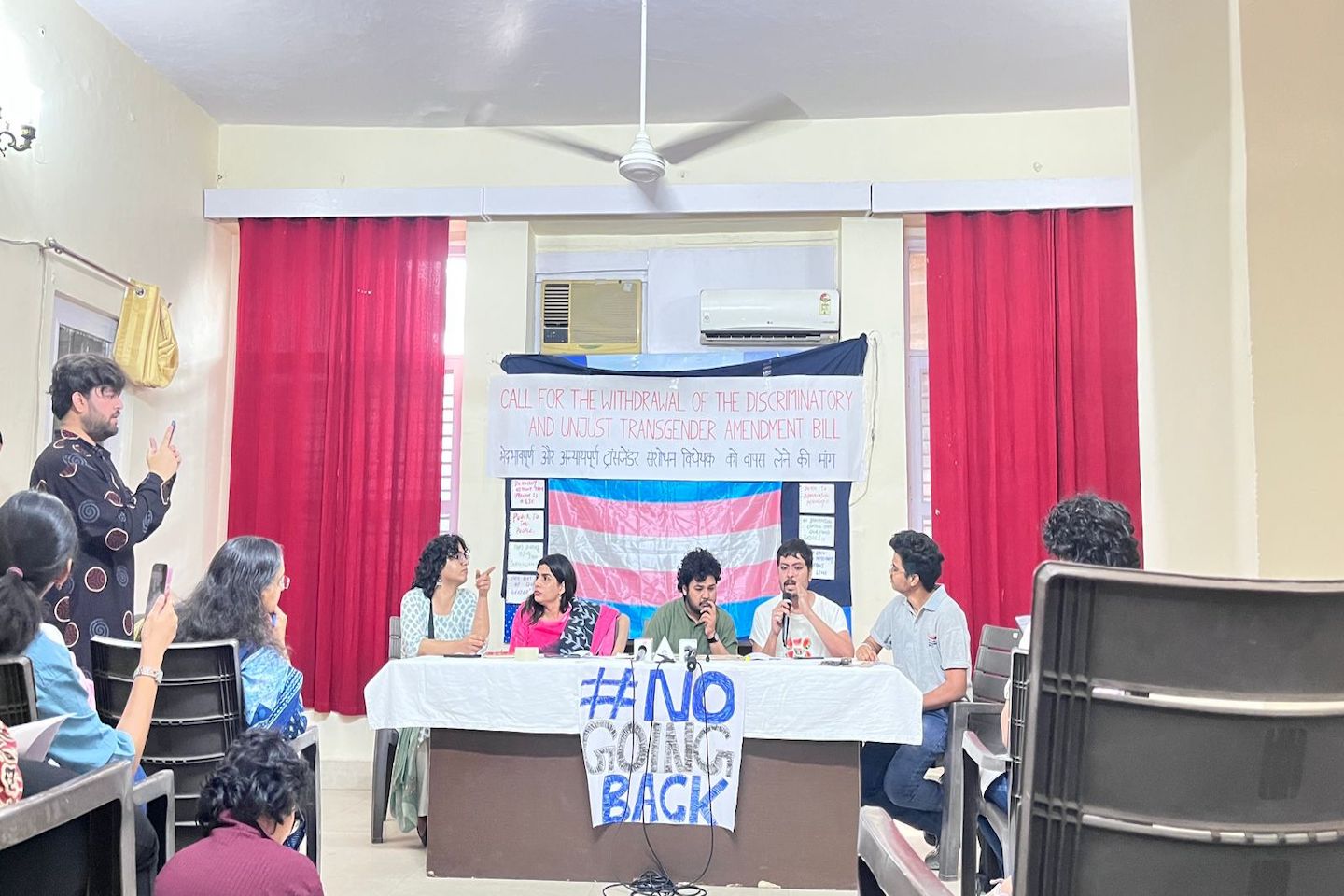
The proposed amendments violate the Supreme Court’s 2014 Judgement in NALSA v Union of India, which protects the right to self-determination of gender identity and the bill implies that a trans identity can only be a result of “mutilation”, or coercion, or intersex variations
New Delhi, March 16, 2026:
On the evening of 13.03.26, the Union Minister for Social Justice and Empowerment, Dr. Virendra Kumar, introduced the Transgender Persons (Protection of Rights) Amendment Bill, 2026 in the Lok Sabha to amend the Transgender Persons (Protection of Rights) Act, 2019 (“Act”).
The Bill proposes a restrictive re-definition of who can be recognized as “Transgender persons”. First, it collapses intersex and transgender identities into one definition of “transgender persons”. Many transgender persons do not have intersex variations, and most intersex persons do not identify as transgender. Second, it takes away the rights to self-determination and limits legal recognition only to persons who have specific socio-cultural identities, categorically excluding anyone who is not Hijra, Kinnar, Aravani, or Jogti. Third, it assumes that children or adults are forced into presenting as trans through coercion or “undue influence”’.This framing suggests that transgender identity is something imposed or artificially created, and shifts the legal narrative towards suspicion and control rather than recognising gender identity as based on self-identification.
According to the decision of the Supreme Court of India in NALSA v. Union of India 2014 (NALSA judgement), the term “transgender” is an umbrella term for the recognition and protection of persons whose gender identity is different from the sex assigned at birth.
The proposed Bill strips transgender persons of the right to self-determination of their gender identity and stands in direct violation of the NALSA judgement. The rationale for exclusion is either biological or cultural, denying any scope for choice or self-determination, especially for trans men, trans women, gender-queer, and gender non-binary persons.
The proposed definition intends to create a specific class of transgender persons and uses arbitrary terms like “genuine oppressed persons” and “those who are in actual need of such protections” to justify this class differentiation. These grounds reiterate the false idea that such protections have been misused in the past, when in reality many of the benefits and protections promised by the 2019 Act are yet to be realised. It further gives power to medical boards and bureaucratic scrutiny to determine an individual‘s gender identity. Compelling the medical boards to compulsorily disclose or share medical details with administrative authorities raises serious concerns about the right to privacy of transgender individuals.
The Bill further proposes changes to Section 18 of the Act and introduces a significantly expanded framework and stricter punishments for several offences that overlap with existing criminal laws, which will create confusion. Furthermore, these changes strengthen negative stereotypes by linking transgender identity with crime and coercion. The proposed changes also criminalise transgender individuals and their kins or allies by rigorous imprisonment of up to five years for “alluring” or “forcing” individuals to become transgender, despite there being no credible evidence or documented pattern of such conduct in India. The language used in the Bill is vague and broad and will lead to misuse and violence, disproportionately affecting an already marginalized community and discouraging open expression of identity. In effect, these terms come across as an echo of The Criminal Tribes Act of 1871 imposed by British colonial authorities in India, a draconian law that branded entire communities of transgender persons as “hereditary criminals,” enforcing systematic surveillance and social ostracization.
The Transgender Persons (Protection of Rights) Amendment Bill, 2026, does not merely amend a statute, it lays down an existential threat to our hard-won dignity, reinstates colonial-era stigma, and turns the State against the very people it was solemnly pledged to protect. The language and framing of the definition indicate a lack of consultations with the community, or even credible research that informs the legislators about the communities’ realities. The proposed bill paves the way for ill-informed, stigmatised, and harmful notions to seep into the legislative process. Hence we, the concerned Transgender and Queer individuals and collectives, unequivocally condemn and oppose the Transgender Persons (Protection of Rights) Amendment Bill 2026 and demand its withdrawal.