Healthy Soch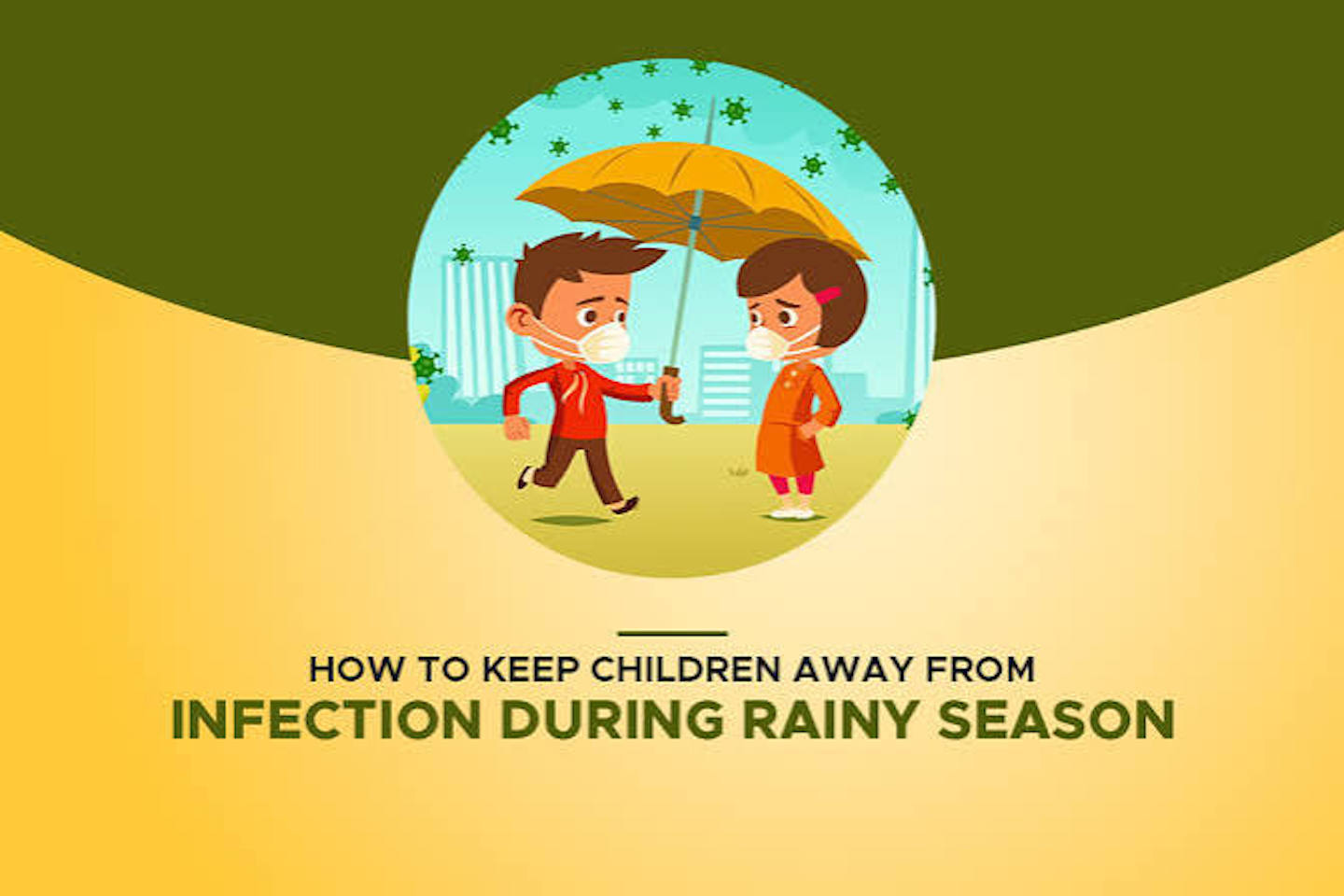
Author: Dr Navin Bhatia, Consultant & HOD – Paediatrics & PICU, PB Health
India
healthysoch
New Delhi, July 22, 2026:
 The arrival of the monsoon brings much-needed relief from the summer heat, but it also marks
the beginning of a season when children become more susceptible to infections. Increased humidity, stagnant water, fluctuating temperatures, and higher humidity, water contamination, mosquito breeding, and increased circulation of viruses and bacteria create conditions that allow seasonal illnesses to spread rapidly. Since children’s immune systems are still developing, they are naturally more vulnerable to these environmental changes.
While monsoon-related illnesses are common, most can be prevented through timely precautions, good hygiene practices, balanced nutrition, and routine healthcare measures
Respiratory Infections: The Most Common Seasonal Concern
Respiratory infections are often among the first health concerns to emerge during the monsoon season. Conditions such as the common cold, cough, sore throat, viral fever, and influenza become more prevalent as humidity rises and temperatures fluctuate. Children are particularly vulnerable, as their developing immune systems are more susceptible to seasonal viruses.
Children are exposed to respiratory viruses more frequently during the monsoon. While remaining in wet clothes does not directly cause viral infections, changing into dry clothes promptly helps maintain comfort and reduces chilling. While these infections are common, they are largely preventable. Parents should ensure children change into dry clothes immediately after getting wet, keep them warm during cooler evenings, and encourage regular handwashing. Teaching children good respiratory hygiene, such as covering their mouth and nose while coughing or sneezing and avoiding close contact with unwell individuals, can significantly reduce the spread of infections. These small but consistent preventive measures can go a long way in keeping children healthy throughout the rainy season.
Waterborne and Foodborne Diseases Demand Extra Vigilance
The monsoon season also witnesses a significant increase in gastrointestinal illnesses such as diarrhoea, gastroenteritis, typhoid, and hepatitis A. Contaminated drinking water and unhygienic food are among the leading causes. Providing children with boiled or properly filtered drinking water is essential. Freshly prepared home-cooked meals should be preferred over food from roadside vendors, while cut fruits and uncovered food exposed to flies should be avoided. Washing fruits and vegetables thoroughly before consumption also plays an important role in preventing infections.
Skin trouble that hides in the damp
Skin issues creep up in a way that’s easy to miss until they've already taken hold. Constant dampness in the air makes fungal infections and rashes more common, particularly around the neck, behind the ears, and under the arms. Wet socks left on for hours are a classic setup for this kind of trouble. The remedy is unglamorous but effective: dry the skin thoroughly after every bath and get children out of damp shoes as soon as they're home. Small habits, but they add up to a meaningfully lower risk.
Strengthening Immunity Through Everyday Nutrition
A strong immune system is the first line of defence against seasonal illnesses. Rather than relying on supplements alone, immunity is best supported through a balanced diet rich in essential nutrients.
Meals should include seasonal fruits, green leafy vegetables, whole grains, pulses, dairy products, nuts, and adequate sources of protein. Foods rich in vitamins A, C, D, zinc, and iron help support immune function. Warm homemade soups and freshly prepared meals not only provide nourishment but also help maintain hydration during the season.
Equally important is ensuring children get adequate sleep, as proper rest allows the body to recover and strengthen its natural immune response.
Keeping children active despite the rain
Movement shouldn’t stop just because it’s pouring outside. Some indoor games, a bit of stretching, even ten minutes of dancing around the living room, keep a child's system ticking along in a way that matters more than parents tend to assume. And whenever the rain does let up, even for a short window, a bit of fresh air outside is worth grabbing.
Mosquito-Borne Diseases Need Equal Attention
The rainy season also increases mosquito breeding, leading to a rise in dengue, malaria and chikungunya. Parents should prevent water stagnation around the house, use mosquito nets or window screens where appropriate, dress children in full-sleeved clothing, and use age- appropriate mosquito repellents. Any child with persistent high fever, severe abdominal pain, bleeding manifestations or unusual lethargy should be evaluated promptly.
Vaccination Continues to Play a Vital Role
Routine immunisation should not be delayed during the monsoon months. Seasonal illnesses such as influenza and infections like hepatitis A can be prevented through timely vaccination. particularly for children who fall within the recommended age groups or are at higher risk. Parents should consult their paediatrician to ensure their child’s vaccination schedule remains up to date. Annual influenza vaccination is recommended for eligible children, particularly those with chronic medical conditions or other risk factors.
While many seasonal illnesses can be managed with supportive care, parents should remain vigilant and seek prompt medical attention if a child experiences persistent high-grade fever lasting more than three days, difficulty breathing, continuous vomiting or diarrhoea, refusal to feed (in young children), reduced urine output, severe abdominal pain, rash with fever, seizures, unusual drowsiness, bleeding manifestations, or signs of dehydration. Early diagnosis and timely treatment not only help children recover faster but also prevent complications.
Ultimately, most monsoon illnesses are preventable. Good hygiene, safe food and drinking water, mosquito control, balanced nutrition, regular physical activity, adequate sleep, and timely vaccination together provide the best protection. With these simple measures, children can enjoy the rainy season safely while remaining healthy, active, and resilient.