Healthy Soch
- Experts foresee India surpassing the US in minimally invasive coronary bypass surgeries by 2031
- India Set to Emerge as a Global Leader in Minimally Invasive Cardiac Surgery
India
healthysoch
New Delhi, November 19, 2026:
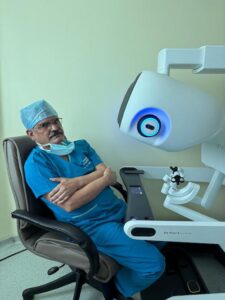 Delhi-NCR’s emergence as India’s leading hub for AI-enabled robotic-assisted cardiac surgeries and India’s growing ambition to become a global leader in minimally invasive heart surgery were highlighted by leading cardiovascular and cardiothoracic surgeons during an international Cardiac Surgery conference in New Delhi.
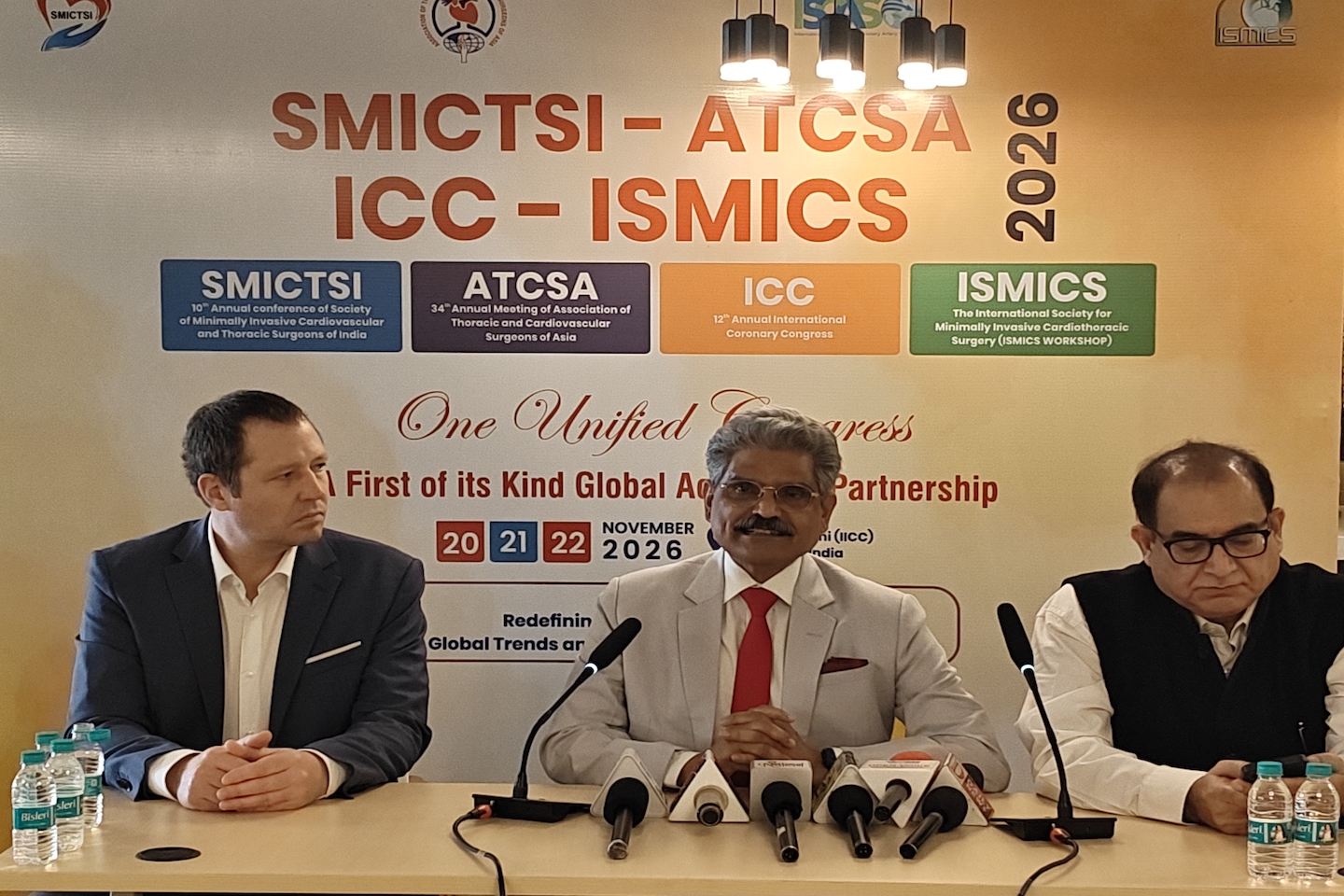
The developments were shared at the Society of Minimally Invasive Cardiovascular and Thoracic Surgeons of India (SMICTSI) 10th Annual Conference, being held alongside the 34th Annual Congress of the Association of Thoracic and Cardiovascular Surgeons of Asia (ATCSA), in collaboration with the 12th International Coronary Congress (ICC) and the workshop of the International Society for Minimally Invasive Cardiothoracic Surgery (ISMICS).
The three-day international congress will take place from November 20–22, 2026, at Yashobhoomi , New Delhi, under the theme “Redefining Cardiothoracic Care: Global Trends and Transformative Technologies.” Around 1,200 delegates, including 300 international participants from more than 30 countries, are expected to attend. Hon’ble Lieutenant Governor of Delhi, Sardar Taranjit Singh Sandhu, will grace the inaugural ceremony as Chief Guest. The conference brings together leading international cardiac and thoracic surgeons, researchers and medical technology experts to discuss groundbreaking innovations, robotic-assisted interventions and the future of cardiovascular care.
According to details shared by experts during the press conference, Delhi-NCR currently leads India in AI-enabled robotic-assisted cardiac surgery, with 21 robotic cardiac surgery installations across the region. Approximately 1,800 robotic-assisted cardiac surgeries were performed in Delhi-NCR in 2025, placing it ahead of other major Indian cities, with Bengaluru emerging as the closest follower. The number of robotic-assisted cardiac procedures is expected to increase by approximately 40% in 2026, driven by the growing adoption of this technology across private and government hospitals. Currently, around 87% of robotic cardiac surgery installations are in private hospitals, while 13% are in government hospitals. Coronary Artery Bypass Grafting (CABG) accounts for the largest share of robotic-assisted cardiac procedures being performed in Delhi-NCR. Experts believe that the rapid expansion of robotic technology, increasing surgical expertise and growing patient acceptance could help India surpass the United States in the annual number of minimally invasive coronary artery bypass surgeries by 2031.
Dr. Yugal K. Mishra, Chairman, Organising Committee, SMICTSI 2026 and Chairman, Manipal Institute of Cardiac Sciences, New Delhi, said, “Delhi-NCR has emerged as a pioneer in robotic-assisted cardiac surgery in India because of its advanced medical infrastructure, early adoption of robotic technology and the presence of highly experienced cardiac surgical teams.
We are witnessing a significant transformation in the way heart surgeries are performed, with robotics and artificial intelligence opening new possibilities for precision-driven and patient-centric treatment. Robotic systems provide surgeons with enhanced three-dimensional visualisation, greater instrument control and highly refined surgical movements, allowing complex procedures to be performed through smaller incisions.
This minimally invasive approach can reduce surgical trauma, postoperative pain and complications, while enabling faster recovery and shorter hospital stays. AI-supported imaging, surgical planning and clinical decision-making are further strengthening this transformation. Delhi-NCR is playing a leading role in bringing these advancements into mainstream cardiac care.”
One of the most important advantages of robotic-assisted cardiac surgery is the enhanced precision it offers during complex procedures. The robotic platform provides magnified three-dimensional visualisation and allows surgeons to make controlled movements using specialised instruments designed to work in confined surgical spaces. Unlike conventional surgical instruments, robotic instruments offer enhanced articulation and flexibility, helping surgeons perform delicate manoeuvres with greater control.
Delhi-NCR’s leadership in robotic cardiac surgery is supported by its strong ecosystem of tertiary-care hospitals, specialised cardiac sciences departments, experienced cardiothoracic surgeons and substantial investment in advanced medical technology. The region has developed multidisciplinary teams comprising cardiac surgeons, anaesthesiologists, perfusionists, intensivists and specialised nursing professionals, all of whom play an essential role in the success of complex robotic procedures.. The increasing presence of robotic systems in both private and government hospitals is expected to further expand access to advanced cardiac treatment. Experts believe that continued investment in infrastructure, surgeon training and research will be essential if India is to realise its ambition of becoming a global centre for minimally invasive cardiac surgery.
Artificial intelligence is also expected to play an increasingly important role in the next phase of cardiac surgery through advanced imaging analysis, preoperative risk assessment, surgical planning and data-supported clinical decision-making. Experts believe that the integration of robotics, AI and digital technologies will gradually make cardiac treatment more precise and personalised, while creating new opportunities for Indian surgeons to participate in global research, innovation and training programmes.