Healthy Soch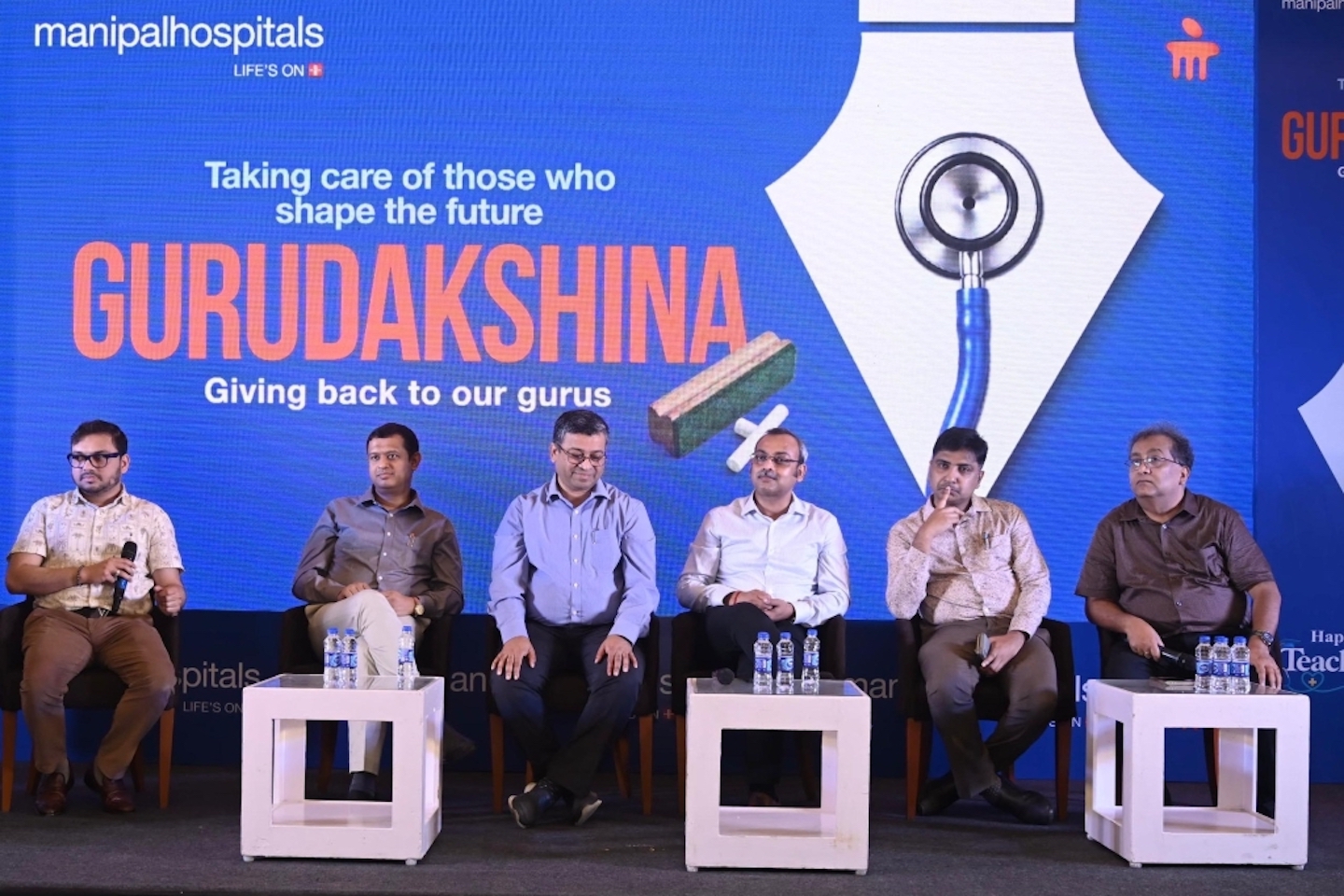
Celebrating the ones who taught us everything through health awareness, recognition and gratitude
India
healthysoch
Mumbai / Kolkata / New Delhi, September 14, 2026:
Every lesson a teacher leaves behind goes far beyond the classroom, shaping choices, building confidence and influencing lives for years to come. Yet, in caring for generations of students, teachers often find little time to pause and care for themselves. Bringing this thought to life, Manipal Hospitals Kolkata hosted ‘Gurudakshina’, a special Teachers’ Health Summit today, dedicated to the educators who have spent their lives nurturing others. The initiative brought together health awareness, emergency preparedness, preventive care and heartfelt recognition, creating a space where teachers could learn, interact with specialists and, most importantly, place their own health at the centre of the conversation.
The programme commenced with a CPR training session conducted under the supervision of Dr. Sujoy Das Thakur, Consultant and In-Charge – Emergency Medicine, Manipal Hospital, Mukundapur, and Dr. Kishen Goel, Consultant and HOD – Emergency and Critical Care, Manipal Hospital, Broadway. The session focused on helping educators recognise cardiac emergencies, initiate CPR promptly and understand the importance of immediate intervention until professional medical assistance becomes available.
Emergency preparedness is particularly important in schools and colleges, where teachers and staff are often the first adults available to respond when a student, colleague or visitor experiences a medical emergency. Equipping educators with basic emergency-response skills can help ensure that appropriate action is initiated while professional medical assistance is on its way.
Speaking on the importance of CPR preparedness, Dr. Sujoy Das Thakur, Consultant and In-Charge – Emergency Medicine, Manipal Hospital, Mukundapur, said, “In a cardiac emergency, the first few minutes can make a critical difference. CPR is an essential emergency-response skill that can help maintain circulation until advanced medical care is available. Teachers interact with students, colleagues and families every day, making them an important part of a wider community that can be prepared to respond during an emergency. By empowering educators with the confidence to recognise an emergency and initiate CPR, we can help create a stronger network of CPR-aware citizens.”
Dr. Kishen Goel, Consultant and HOD – Emergency and Critical Care, Manipal Hospital, Broadway, added, “Cardiac emergencies can happen anywhere, and awareness about recognising the signs and responding appropriately should extend beyond healthcare professionals. CPR is a simple but critical skill where timely action can make a meaningful difference. Through initiatives such as the Teachers’ Health Summit, our endeavour is to encourage more members of the community to become better prepared to respond when every second counts.”
The CPR session was followed by the launch of a dedicated Heart Number and a demonstration of the Emergency Room scan process, highlighting the importance of timely access to emergency care. The programme also featured sessions on institutional wellness, healthy-heart exercises, diet and lifestyle practices, along with an open interaction where teachers shared their healthcare expectations and concerns.
As part of the multi-speciality health-awareness sessions, doctors from across Manipal Hospitals Kolkata addressed a range of health concerns relevant to the teaching community. Dr. Dipanjan Chatterjee, Senior Consultant – Critical Care Medicine, Manipal Hospital EM Bypass; Dr. Souvik Roy Choudhury, Senior Consultant – ENT, Manipal Hospital EM Bypass; Dr. Subhadeep Banerjee, Consultant Neurologist, Manipal Hospital Mukundapur; Dr. Bastab Ghosh, Consultant Urologist, Manipal Hospital, Dhakuria; Dr. Supratip Kundu, Consultant – Interventional Cardiologist, Manipal Hospital Dhakuria; Dr. Soham Mandal, Consultant – Orthopaedics & Joint Replacement Surgeon, Manipal Hospital Broadway; and Dr. Ansu Sen, Senior Consultant – Neurology, Manipal Hospital Salt Lake, shared insights on preventive care, early warning signs and the importance of timely consultation.
Speaking on the importance of emergency preparedness and critical care awareness, Dr. Dipanjan Chatterjee, Senior Consultant – Critical Care Medicine, Manipal Hospital EM Bypass, said, “In an emergency, timely recognition and prompt action can have a significant impact on outcomes. Schools and educational institutions are dynamic environments where teachers and staff may be required to respond to unexpected health situations. Building awareness around emergency warning signs and knowing when to seek immediate medical assistance can help bridge the crucial gap before professional care is available. Through initiatives like the Teachers’ Health Summit, we aim to strengthen this culture of preparedness and encourage educators to make health and safety an integral part of institutional wellness.”
Speaking on the importance of cardiovascular health among educators, Dr. Supratip Kundu, Consultant – Interventional Cardiologist, Manipal Hospital Dhakuria, said, “Cardiovascular health is influenced by multiple factors, many of which can be addressed through timely screening and lifestyle modification. High blood pressure, cholesterol, diabetes, stress, physical inactivity and unhealthy dietary habits can gradually increase cardiovascular risk. Initiatives like this provide an opportunity to create awareness before a health concern becomes a medical emergency. By encouraging regular health assessments and healthier everyday choices, we can make prevention a more integral part of community health.”
Speaking on the importance of urological health awareness in schools, Dr. Bastab Ghosh, Consultant Urologist, Manipal Hospital Dhakuria, said, “Urological health is an important part of a child’s overall well-being and deserves greater attention in the school environment. Issues such as urinary tract infections (UTIs), poor hygiene and recurring urinary symptoms can affect a child’s comfort, attendance and daily activities. Promoting awareness around healthy hygiene practices, recognising early symptoms and seeking timely medical advice can help prevent complications.”