admin
admin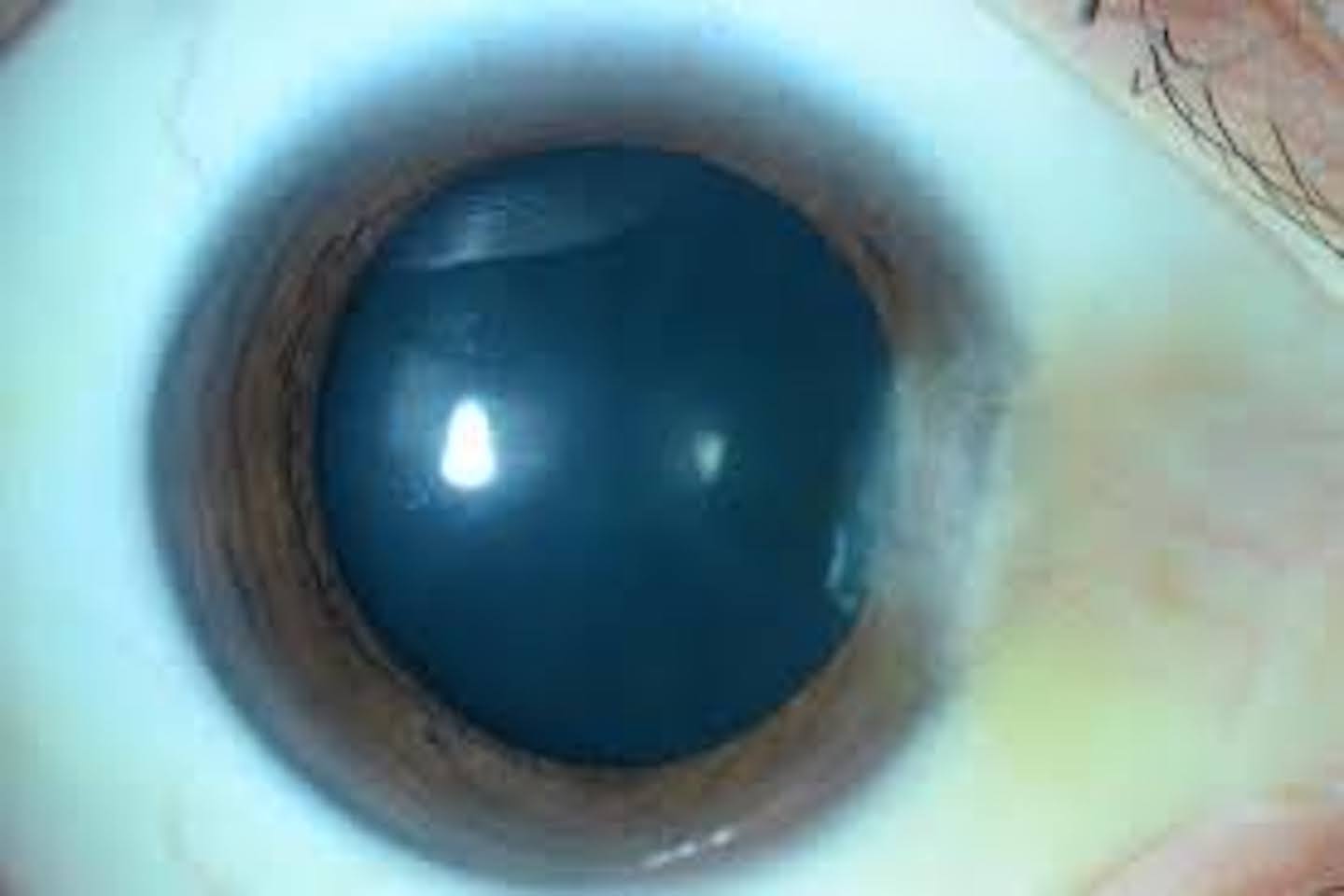
Author: Dr. Prabhakar G V, Consultant Cataract Cornea Lasik, Sankara Eye Hospital, Hyderabad.
India
healthysoch
New Delhi, August 28, 2025:
For many, LASIK is the ultimate get-out-of-jail-free card—no more slipping glasses in monsoon weather, no more fiddling with contact lenses at the end of a long day. Waking up with perfect vision sounds like a dream come true. It’s no surprise that LASIK is one of the most popular eye surgeries in India and across the world.
But here’s the reality: not everyone qualifies. Pre-LASIK screening isn’t secondary—it is the safeguard that ensures surgery is safe and effective.
1) Age Matters: Below 18, or even in the early 20s, eyesight may still be changing. Performing
LASIK then is like building on shifting sand—it won’t last. On the other hand, people above
40 need to consider presbyopia, the natural decline in near vision. While distance vision may
improve, reading glasses could still be needed later.
2) Medical Conditions That Interfere: Systemic health plays a major role. LASIK is risky for
those with untreated diabetes, autoimmune diseases, thyroid disorders, or long-term
steroid use, all of which affect healing. Pregnancy and breastfeeding are also unsuitable
times, as hormonal shifts can make results unpredictable.
3) Lifestyle and Profession: Jobs or activities with high risk of eye trauma—such as boxing,
wrestling, or military service—make LASIK less than ideal. Even after healing, a LASIK flap can
remain vulnerable to dislodgement with severe impact.
4) Pre-Existing Eye Disease: Those with inflammatory or scarring eye diseases are usually
discouraged. Severe dry eye, glaucoma, uncontrolled diabetes, or retinal disease can all
worsen after surgery. Dry eye, especially, is a common but underestimated reason for
exclusion since LASIK temporarily disrupts the tear film.
5) The Cornea’s Role: The cornea is the clear front of the eye—is the focus of LASIK. The
procedure reshapes it with lasers so light focuses correctly on the retina. But if the cornea is
thin, irregular, or has hidden conditions like keratoconus, surgery can further weaken it,
sometimes with severe consequences, including vision loss. This remains one of the top
reasons doctors say no.
6) Expectations vs. Reality: Some patients imagine LASIK will give them superhero vision or
eliminate glasses for life. While most achieve clear eyesight, eyes naturally change with age,
and minor corrections may still be required. Unrealistic expectations are another reason
doctors may recommend alternatives.
7) Alternatives Exist: A rejection after screening is not the end. Options like ICL (Implantable
Collamer Lens) are specifically designed for those unsuited to LASIK and can be just as
effective. The long-term goal should always be safe, sustainable vision, not chasing a
procedure at all costs.
LASIK is one of the safest and most successful eye surgeries, but it’s not for everyone. Sometimes the
wisest advice is “not now” or “not this method.” Trust the screening process, talk openly with your ophthalmologist, and remember—the dream of glasses-free vision is possible, but only if your eyes
are healthy enough to support it.