Healthy Soch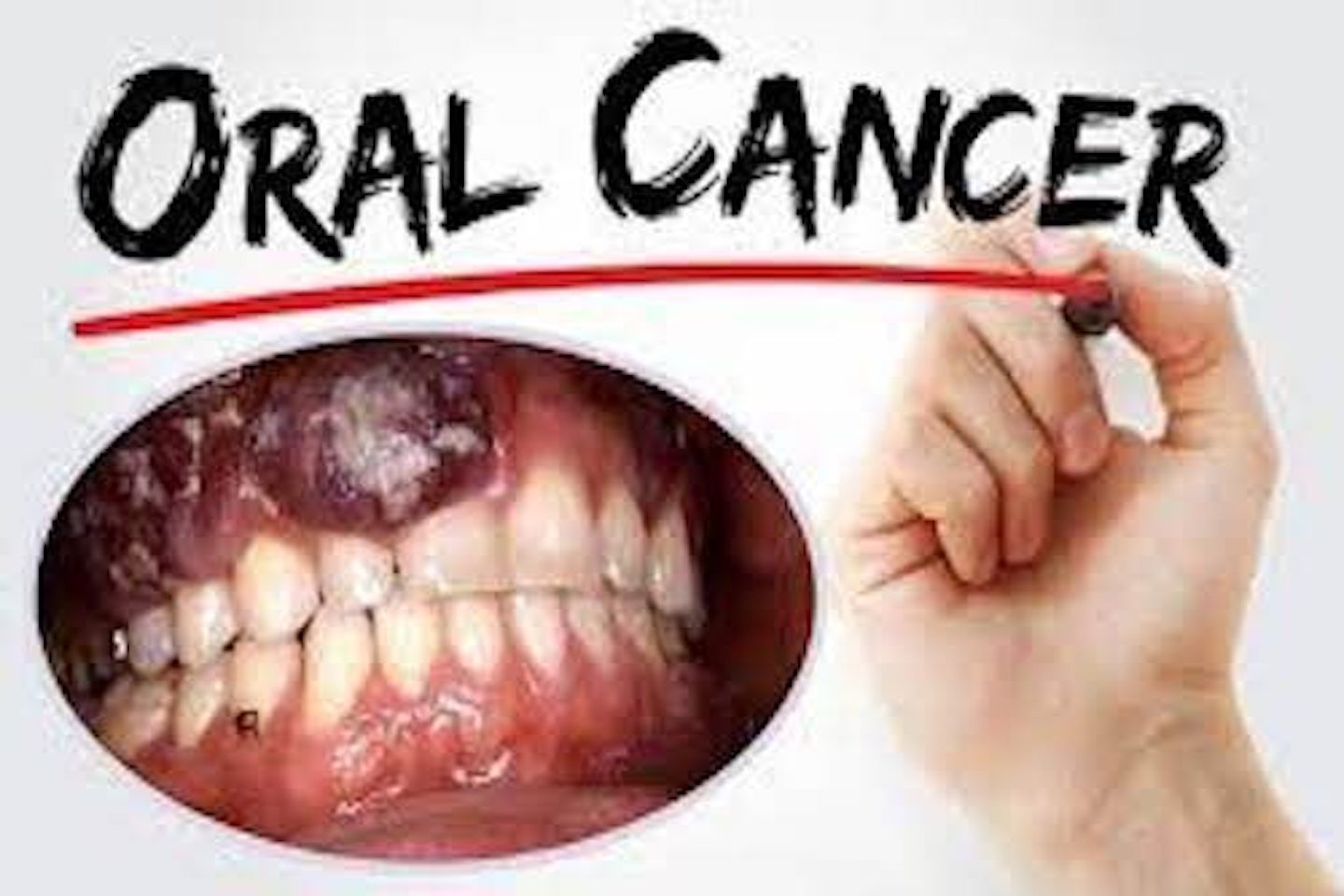
Nearly 70–80% of oral cancer cases in the country are diagnosed only at advanced stages.
Today is World Cancer Day.
India
healthysoch
New Delhi, February 04, 2026:
Oral cancer in India is not a rare disease, as the country alone accounts for nearly one-third of all cancer cases in the country; it is a silent public health emergency hiding in plain sight. Despite being easily accessible for visual examination, nearly 70–80% of oral cancer cases in the country are diagnosed only at advanced stages (Stage III or IV), when five-year survival rates plummet to below 30%. This stands in stark contrast to early-stage disease, where survival exceeds 80%. The tragedy lies in the delay: patients typically take three to seven months from first noticing symptoms to reaching a specialized cancer center. Early oral lesions are often painless, small, and easily dismissed, allowing a highly curable disease to progress unchecked.
According to Dr Shyam Aggarwal, Chairman, Medical Oncology , Sir Ganga Ram Hospital, “On this World Cancer Day today, my thoughts are on the evolution of technology – tilting towards deep sequencing of DNA genes to decide cancer treatment. Moving beyond imaging, i.e., detecting tumors less than 5mm . It is the future of oncology. We will soon start asking patients, ‘Is your ctDNA negative?’ We need to push our labs and researchers to adopt this technology, as it is becoming routine in other countries.”
Dr. Sultan A. Pradhan, Surgical Oncology, at the Head & Neck Cancer Institute of India said, “Screening programs have proven to be a game-changer. Organized oral screening initiatives can reduce mortality by 24–30% by detecting precancerous conditions early. Mobile screening units and community cancer camps have already demonstrated impact by identifying high-risk lesions before malignant transformation.”
Over 90% of the cancer cases in our country are linked to tobacco use, particularly smokeless tobacco such as gutka, khaini, and betel nut (supari). Alcohol use compounds the risk, while HPV is emerging as a concern among younger, non-tobacco users. Oral cancer is the most common cancer among men in the state and ranks among the top five cancers in women.
“Hospitals such as Head & Neck Cancer Institute of India play a critical role by combining early detection pathways with advanced surgical technology, precision reconstruction, and multidisciplinary care, helping bridge the gap between screening and survival. Oral cancer is one of the few cancers where we can truly change outcomes through early action. Technology helps, but awareness and timely referral help us save lives,” added Dr Sultan A. Pradhan.
Oral cancer is preventable, detectable, and curable when caught early. The real cost lies not in treatment alone, but in delayed action.