admin
admin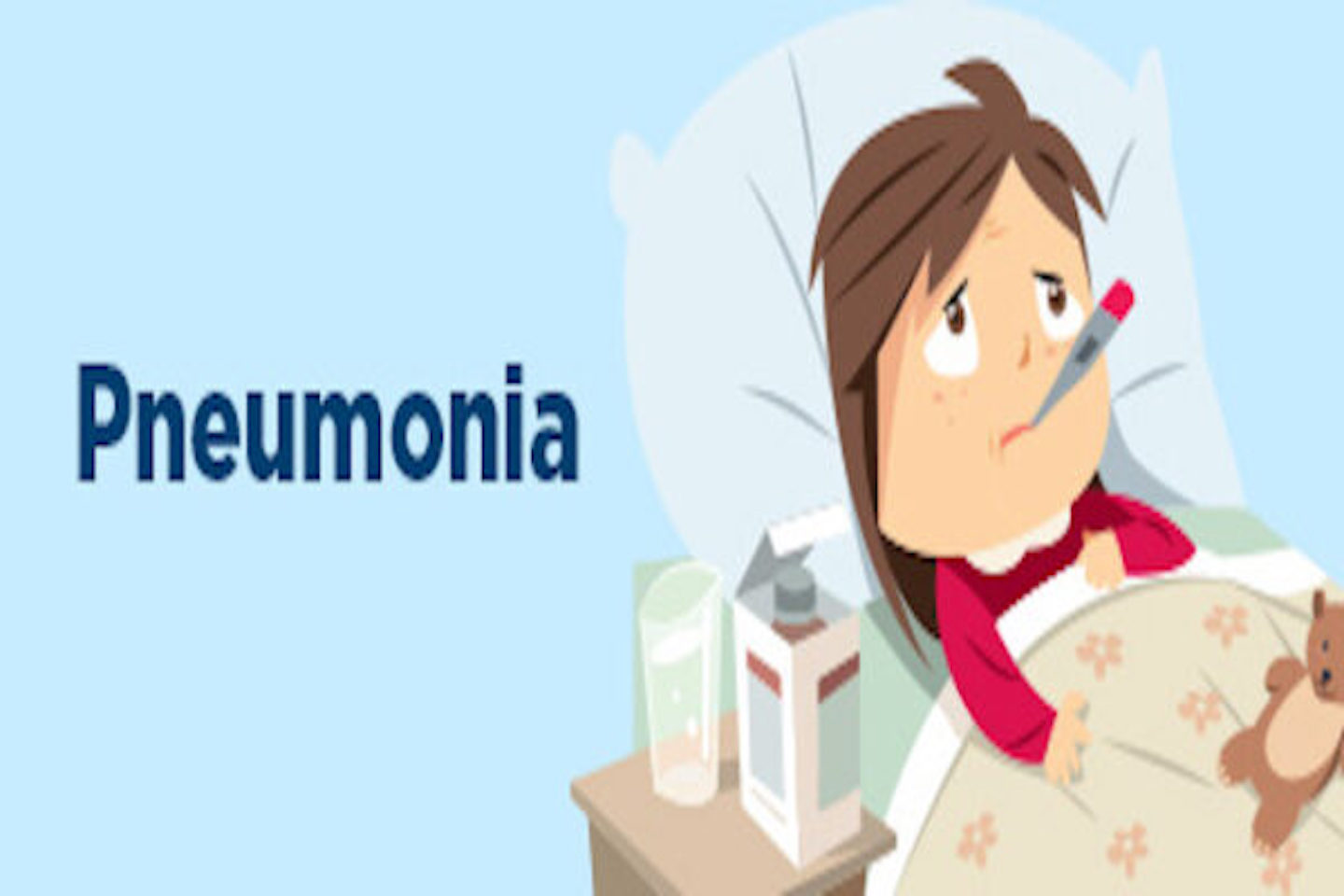
Author: Dr. Pavan Yadav, Lead Consultant – Interventional Pulmonology & Lung Transplantation,
Aster RV Hospital
India
healthysoch
New Delhi, June 23, 2025:

Each year, on November 12, we observe World Pneumonia Day to raise awareness about one of the
most serious and often overlooked respiratory infections. Pneumonia, an infection that inflames the
air sacs in one or both lungs, is a leading cause of death among children under five and the elderly,
particularly in low- and middle-income countries like India. According to the World Health
Organisation (WHO), pneumonia claims the lives of approximately 700,000 children worldwide each
year, with countless more affected.
In India, pneumonia poses a significant public health burden. Our country bears one of the highest
rates of pneumonia deaths globally, despite the condition being largely preventable and treatable.
This World Pneumonia Day, it is imperative to spread awareness about the causes, symptoms,
precautions, and the vital role of vaccination and timely medical intervention.
Understanding Pneumonia: Causes and Risk Factors
Pneumonia occurs when pathogens – including bacteria, viruses, or fungi – enter the lungs and cause
infection. This infection leads to the filling of lung air sacs (alveoli) with fluid or pus, leading to
coughing, fever, difficulty in breathing, chest pain, and, in severe cases, respiratory failure. Among
the most common culprits are the bacteria Streptococcus pneumoniae and Haemophilus influenzae,
and viruses like the respiratory syncytial virus (RSV) and influenza.
Certain groups are at a heightened risk of developing pneumonia, including:
- Children under five years of age, whose immune systems are still developing.
- Elderly individuals whose immune function may decline with age.
- People with chronic conditions such as diabetes, heart disease, or chronic respiratory
illnesses, which weaken the body’s defences. - Immunocompromised individuals, such as those with HIV/AIDS or undergoing
chemotherapy. - Individuals exposed to high levels of air pollution or second-hand smoke, a particularly
pertinent issue in India’s urban areas.
Symptoms: - Persistent cough, often producing phlegm or mucus
- Fever and chills
- Rapid or labored breathing
- Chest pain when coughing or breathing
- Fatigue, loss of appetite, and confusion, especially in older adults
- When symptoms persist or worsen, prompt medical consultation is essential to ensure
timely treatment.
Precautions to Reduce Pneumonia Risk
Good Hygiene Practices: Regular handwashing, covering one’s mouth and nose when coughing or
sneezing, and avoiding close contact with sick individuals are simple but effective ways to prevent
respiratory infections.
Healthy Lifestyle: A balanced diet, regular exercise, and adequate sleep help boost the immune
system, making the body more resilient against infections.
Avoid Smoking: Smoking damages the lungs’ natural defense mechanisms, making them more
susceptible to infections. Avoiding tobacco use and exposure to secondhand smoke is crucial for lung
health.
Air Quality Awareness: Given India’s high levels of air pollution, particularly in urban centres,
individuals should minimise outdoor activities during peak pollution periods. Using air purifiers
indoors and wearing masks when pollution levels are high can provide additional protection.
Immediate Medical Attention for Respiratory Symptoms: Pneumonia can escalate rapidly,
particularly among vulnerable populations. Seeking medical attention at the onset of severe
respiratory symptoms can lead to early intervention, preventing complications.
Raising Awareness and Accessibility:
Despite the availability of vaccines and treatment, barriers such as lack of awareness, accessibility,
and financial constraints continue to hinder pneumonia prevention efforts in India. In rural and
underserved communities, low vaccination rates and limited healthcare infrastructure make
individuals more vulnerable to pneumonia and its complications.
The Role of the Community: Advocacy and Action:
Combating pneumonia requires collective action from healthcare providers, communities, and
policymakers. Awareness campaigns, like those organised for World Pneumonia Day, play a critical
role in educating the public. Community health workers, especially in rural areas, are pivotal in
spreading information, ensuring vaccination adherence, and helping families recognise pneumonia
symptoms early.