Healthy Soch
- Neurological disorders now the leading cause of disability worldwide
- India reports nearly 1.25 million new stroke cases every year
- Many patients reach advanced hospitals only after paralysis or severe neurological damage
- Early recognition and timely treatment can prevent lifelong disability
India
healthysoch
Hyderabad/Chandigarh, July 21, 2026:
Neurological disorders have emerged as the leading cause of disability worldwide, with more than 3.4 billion people, over 40% of the global population, living with conditions affecting the brain, spinal cord and nervous system, according to the World Health Organization (WHO). These disorders are also responsible for over 11 million deaths annually, making neurological diseases one of the world’s fastest-growing public health challenges.
Stroke remains one of the biggest contributors to this burden. India records an estimated 1.25 million new stroke cases every year, with studies showing a significant rise over the past three decades. Increasing rates of hypertension, diabetes, obesity, tobacco use, stress, poor sleep, unhealthy lifestyles and an ageing population are contributing to the growing burden of neurological disorders across the country.
On the occasion of World Brain Day, observed globally with the theme “Brain Health: Access for All,” specialists at CARE Hospitals called for greater public awareness, saying that while treatment for neurological disorders has advanced significantly, many patients continue to lose valuable treatment time because they fail to recognise the early warning signs or delay reaching hospitals equipped with advanced neurological care.
According to the Neuro specialists, one of the biggest challenges is that patients often seek medical attention only after the condition becomes severe. Many arrive at emergency departments after developing paralysis, loss of consciousness, repeated seizures, severe speech difficulty or sudden vision loss, by which time critical treatment opportunities may already have been missed. In several cases, patients first visit nearby clinics or smaller healthcare facilities, losing precious time before being referred to comprehensive neuroscience centres capable of providing advanced stroke care, emergency neurosurgery and specialised neurological treatment. Such delays can significantly increase the risk of permanent disability, prolonged rehabilitation and even death.
 Dr. S K Jaiswal, Clinical Director and HOD – Neurology, CARE Hospitals, Banjara Hills, Hyderabad, said the biggest hurdle in neurological emergencies is delayed recognition of symptoms. “We are increasingly seeing younger patients with stroke and other neurological disorders. Unfortunately, many people ignore persistent headaches, sudden weakness, numbness, slurred speech, unexplained seizures, dizziness or vision changes, assuming they are caused by stress or fatigue. One of the biggest challenges we face is that patients often reach us only after paralysis has developed or when they are unable to speak, walk or remain conscious. Others lose valuable time moving between multiple healthcare facilities before reaching a comprehensive neuroscience centre. In neurological emergencies, particularly stroke, every minute matters because delays can permanently damage the brain.”
Dr. Jaiswal added that controlling blood pressure, diabetes and cholesterol, exercising regularly, maintaining a healthy diet, getting adequate sleep, managing stress, avoiding tobacco and limiting alcohol remain the most effective ways to reduce the risk of stroke and several neurological disorders.
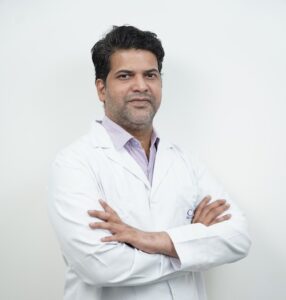 Highlighting advances in treatment, Dr. Mohammed Imran, Senior Consultant Neuro & Spine Surgeon, CARE Hospitals, Nampally, Hyderabad said remarkable progress in neuroscience has significantly improved outcomes for patients with complex brain disorders. “Today, advanced MRI imaging, neuronavigation systems, operating microscopes, minimally invasive neurosurgical techniques and specialised neurocritical care have transformed the treatment of brain tumours, traumatic brain injuries, hydrocephalus and several other neurological conditions. Many disorders that were once considered extremely difficult to treat can now be managed with greater precision, safety and improved recovery. However, technology can only save lives when patients reach the right facility without delay.”
Emphasising the urgency of stroke treatment, Dr. Imran said, “Nearly 1.9 million brain cells are lost every minute during an untreated stroke. The first 4.5 hours, often called the ‘golden window’, are critical because timely treatment can prevent permanent disability and save lives. Reaching a comprehensive stroke-ready hospital as early as possible can make the difference between complete recovery and lifelong disability.”
Doctors advised the public to seek immediate medical attention if they experience any of the following warning signs:
- Sudden weakness or numbness of the face, arm or leg, especially on one side
- Difficulty speaking or understanding speech
- Sudden loss of vision or double vision
- A severe, sudden headache unlike previous headaches
- Loss of balance or difficulty walking
- Unexplained seizures
- Persistent headaches lasting several days or weeks, particularly when associated with vomiting or visual disturbances
- Sudden confusion or unexplained memory changes
Doctors also stressed that brain health begins with everyday choices. Regular physical activity, a balanced diet, quality sleep, stress management, periodic health check-ups and effective control of hypertension, diabetes and cholesterol can substantially reduce the risk of many neurological disorders.