Healthy Soch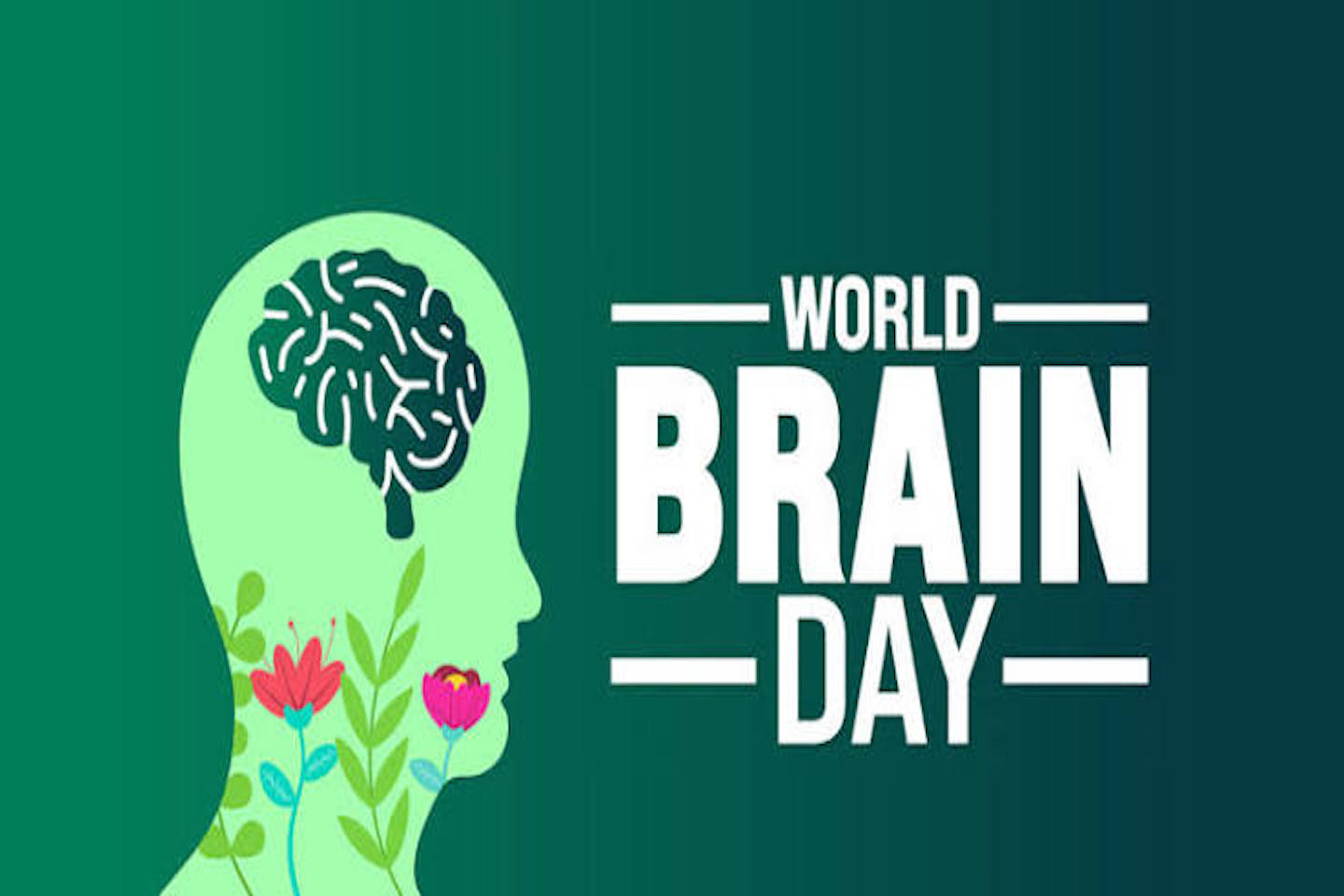
World Brain Day- 22 July 2026
India
healthysoch
Mumbai/Chandigarh, July 20, 2026:
 While heart disease and diabetes continue to dominate public health discussions, neurologists are witnessing another silent but rapidly growing challenge—brain disorders that increasingly affect not only senior citizens but also young professionals and adults in their most productive years. On the occasion of World Brain Day 2026, themed “Brain Health: Access for All,” Apex Group of Hospitals is urging people to shift their focus from treating neurological diseases to actively protecting brain health through prevention, timely diagnosis, and easy access to specialist care.
Modern lifestyles have placed unprecedented stress on the brain. Long working hours, excessive screen exposure, poor sleep, chronic stress, uncontrolled hypertension, diabetes, obesity, smoking, and physical inactivity contribute to a noticeable rise in neurological disorders, including stroke, migraine, epilepsy, movement disorders, memory impairment, and nerve-related conditions. Despite medical advancements, experts say many patients continue to arrive at hospitals only after symptoms have progressed, limiting treatment options and recovery.
Dr. Sagar Bhanushali, Neurologist & Stroke Specialist, Apex Group of Hospitals, said: “The biggest misconception is that neurological diseases affect only the elderly. Today, we are seeing strokes in people in their 30s and 40s, migraines disrupting careers, and memory complaints appearing much earlier than before. The brain has an incredible ability to recover, but only when treatment begins at the right time. Unfortunately, warning signs such as recurring headaches, sudden weakness on one side of the body, difficulty speaking, loss of balance, tingling sensations, tremors, or unexplained blackouts are often dismissed as stress or fatigue.
Every neurological symptom deserves proper evaluation. Brain health is built every day through healthy habits quality sleep, regular exercise, controlling blood pressure and blood sugar, balanced nutrition, mental stimulation, and avoiding tobacco and excessive alcohol. Most importantly, access to expert neurological care should never be delayed because early intervention can preserve independence, productivity, and quality of life.”