Healthy Soch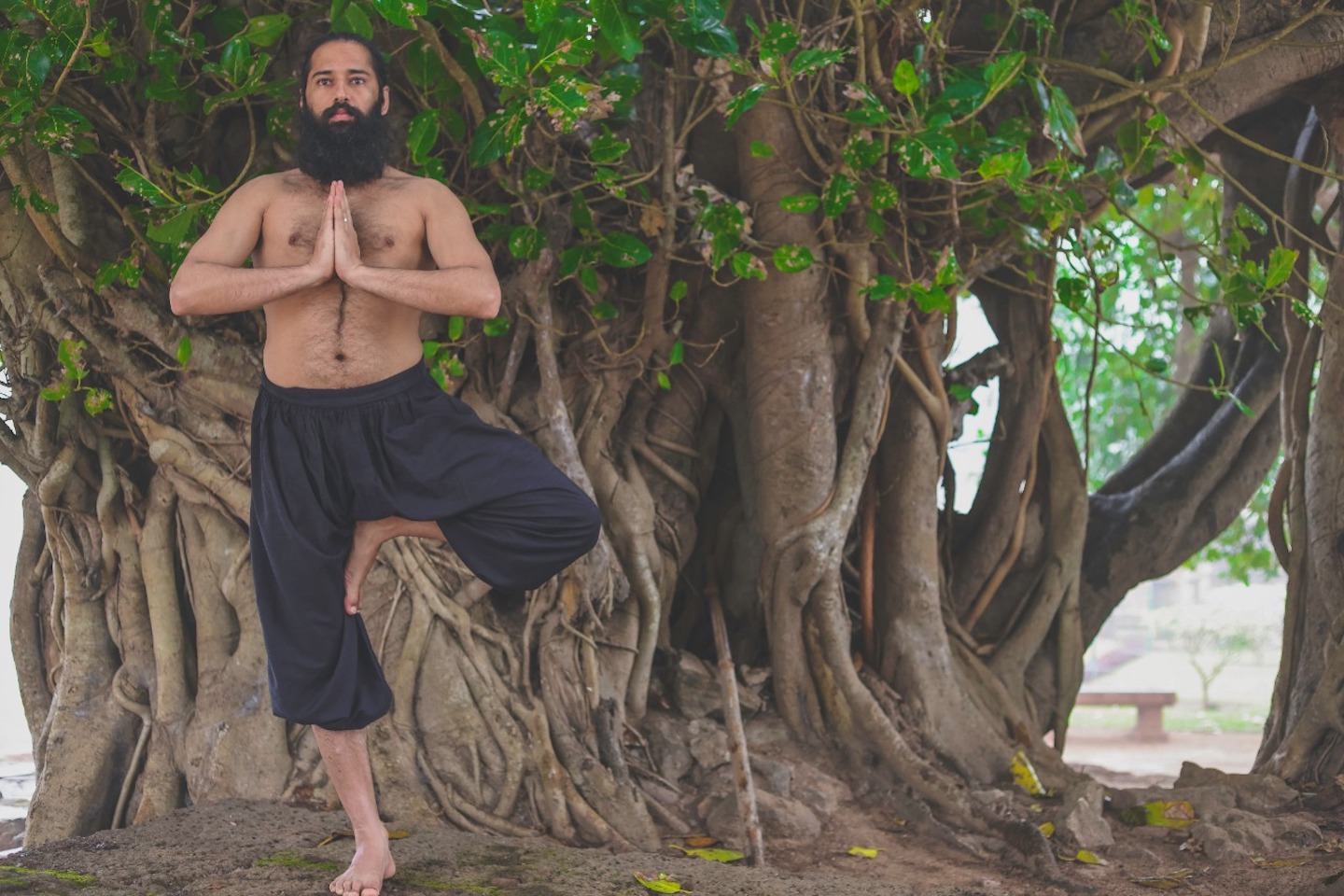
Author: Himalayan Siddhaa Akshar -Columnist, Founder: Akshar Yoga Kendraa
India
healthysoch
New Delhi, October 10, 2026:
Mental wellbeing is an important element of health and wellbeing and affects ability to focus,
emotional regulation, decision making and coping in everyday life. Conscious breathing, meditation,
postural awareness and regular body movement can go hand in hand with regular yoga practice to
promote mental wellbeing.
There are seven yogic practices that give us different techniques for creating physical awareness, concentration and relaxation.
1. Siddha Walks
Siddha Walk, also called Infinity Walk, is mindful walking on a figure-eight path. It improve coordination, concentration and body awareness.
Formation: Find quiet and open place. Imagen an infinity sign on the ground. Walk at a pace that feels natural. Keep your spine straight, breathe normally. Start with five minutes. Build up from there as you get
used to it.
Benefits: Siddha Walk sharpens your focus. Improves balance and coordination. Gets your body moving.
Walking in that rhythm settles your mind. You develop calm while you do it.
2. Surya Namaskar (Sun Salutation)
The Surya Namaskar is a respectful combination of beautiful postures which remind us of the sun energy which sustains life.
Formation: From Samasthiti with palms pressed together at chest. Flow through each posture, synchronizing the rise and fall with the breathing; rising on the inhale, falling on the exhale.
Benefits: It encourages a sense of calmness, balances and brings focus to the inside.
3. Vrikshasana (Tree Pose)
The asana of Vriksha depicts grace, roots and quiet strength of a grand tree, grounding the mind to
physical stability.
Formation:
Keep your body upright, place your weight on one leg and press the sole of the other foot on the inside of your standing leg. Place palms at the center of the body, or stretch them out upward toward a fixed point while looking at a fixed point.
Benefits: It encourages a sense of calmness, balances and brings focus to the inside.
4. Shirsasana (Headstand)
Shirsasana, the queen of postures, is an impressive inversion that requires commitment, calm and
balance.
Formation: Put interlaced fingers to form a supportive cradle on the mat. Hold the crown of the head in the
hands, raise the hips, step the feet together and raise both legs slowly and evenly straight up to
vertical.
Benefits: It gives courage to the mind, raises the level of concentration and brings tremendous self-control.
5. Vajrasana (Thunderbolt Pose)
Vajrasana is a classic kneeling position which represents firmness and unshakeable inner strength.
Formation: Squat elegantly on the mat so that the upper surface of the feet are on the mat. Rest the hips on the heels and relax the shoulders, while keeping the spine straight. Rest the hips on top of the heels and
relax the shoulders while positioning the palms lightly on top of the thighs.
Benefits: Strengthens spine, calms senses and clears the mind for deep contemplation.
6. Sukhasana with Shant Dhyan
The combination of Sukhasana and Shant Dhyan is a simple meditation that focuses on easy awareness of breathing.
Formation:
Cross-legged in an easy position with back straight and hands on knees. Slowly close the eyes, and observe the natural breathing of the breath.
Benefits: It soothes, relaxes, quiets the mind and brings peace to the mind.
7. Padmasana (Lotus Pose)
Padmasana is one of the auspicious sitting asana that represents spiritual growth, purity and constant balance.
Formation: Sitting with legs straight in front. Bring the cross foot over the other thigh at the top of the thigh. Keep hands as mudras on knees and have a straight back while meditating.
Benefits: It holds the body, polishes up the mind, and serves as the topmost foundation for meditation.
Integrating Yoga into Your Daily Routine.
Each of these seven practices provides a different way to experience physical awareness,
concentration and mental wellbeing. Siddha Walk and Surya Namaskar focus on movement and
coordination. Both Vrikshasana and Vajrasana builds balance and concentration, and Vajrasana
provides a solid seated posture. Shirsasana is a foundation for an advanced asana; Sukhasana with
Shant Dhyan and Padmasana are suitable configurations for breathing awareness and meditation.
Yoga is a full experience of physical discipline to a state of great stillness. The practitioner thus
creates a lasting bank of peace, clarity, and harmony for themselves, that they can harvest when and
how they need.